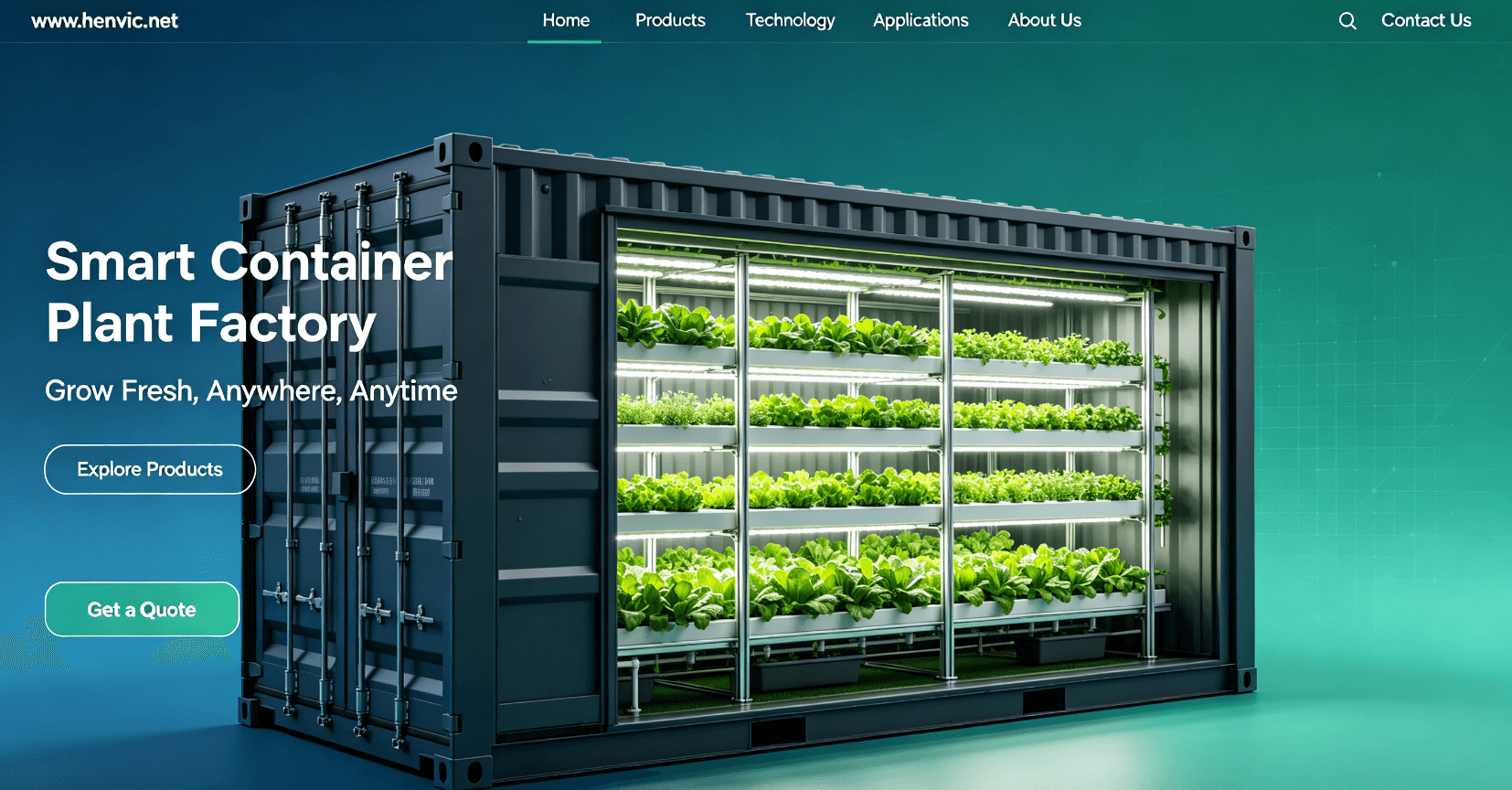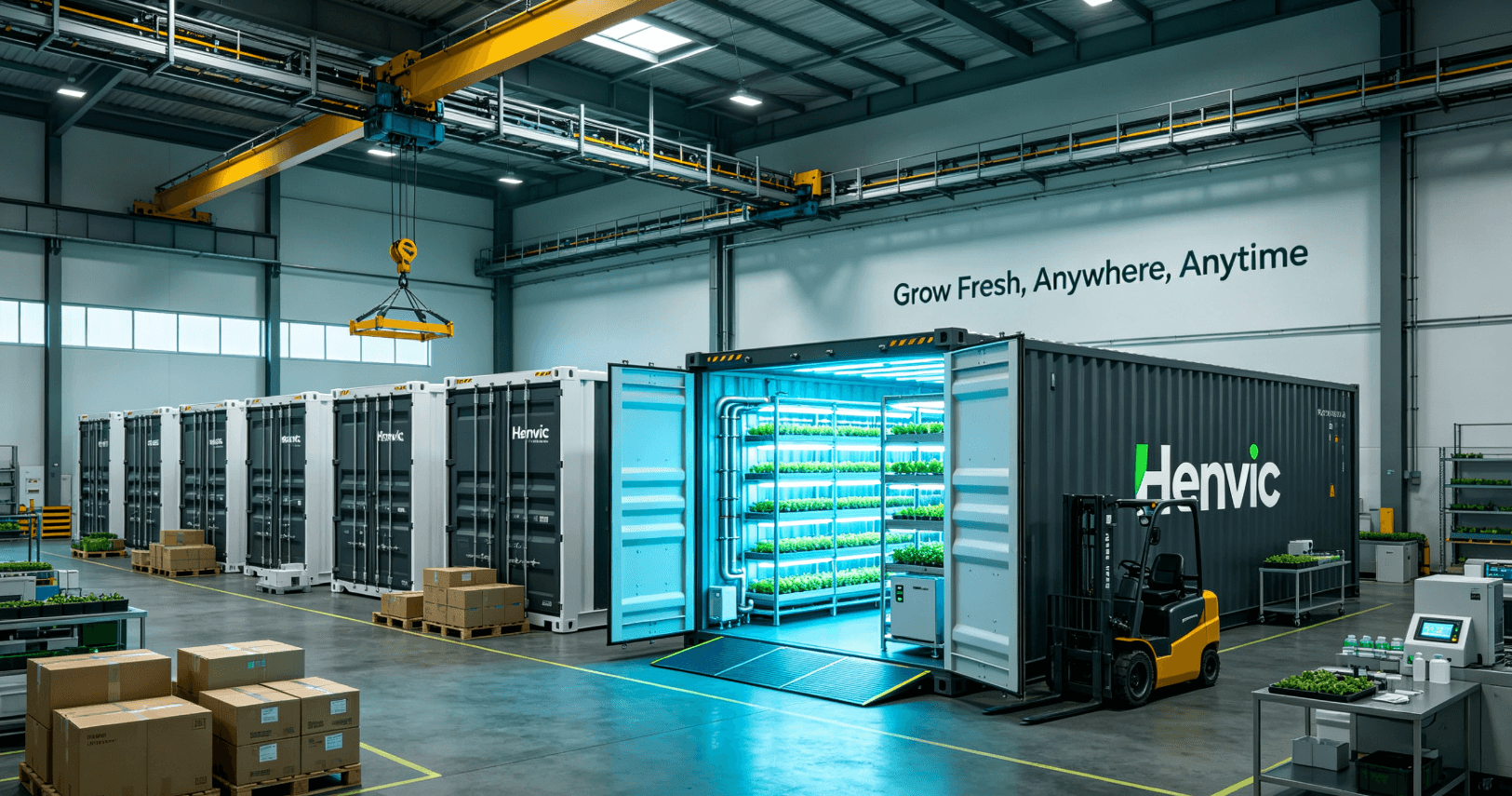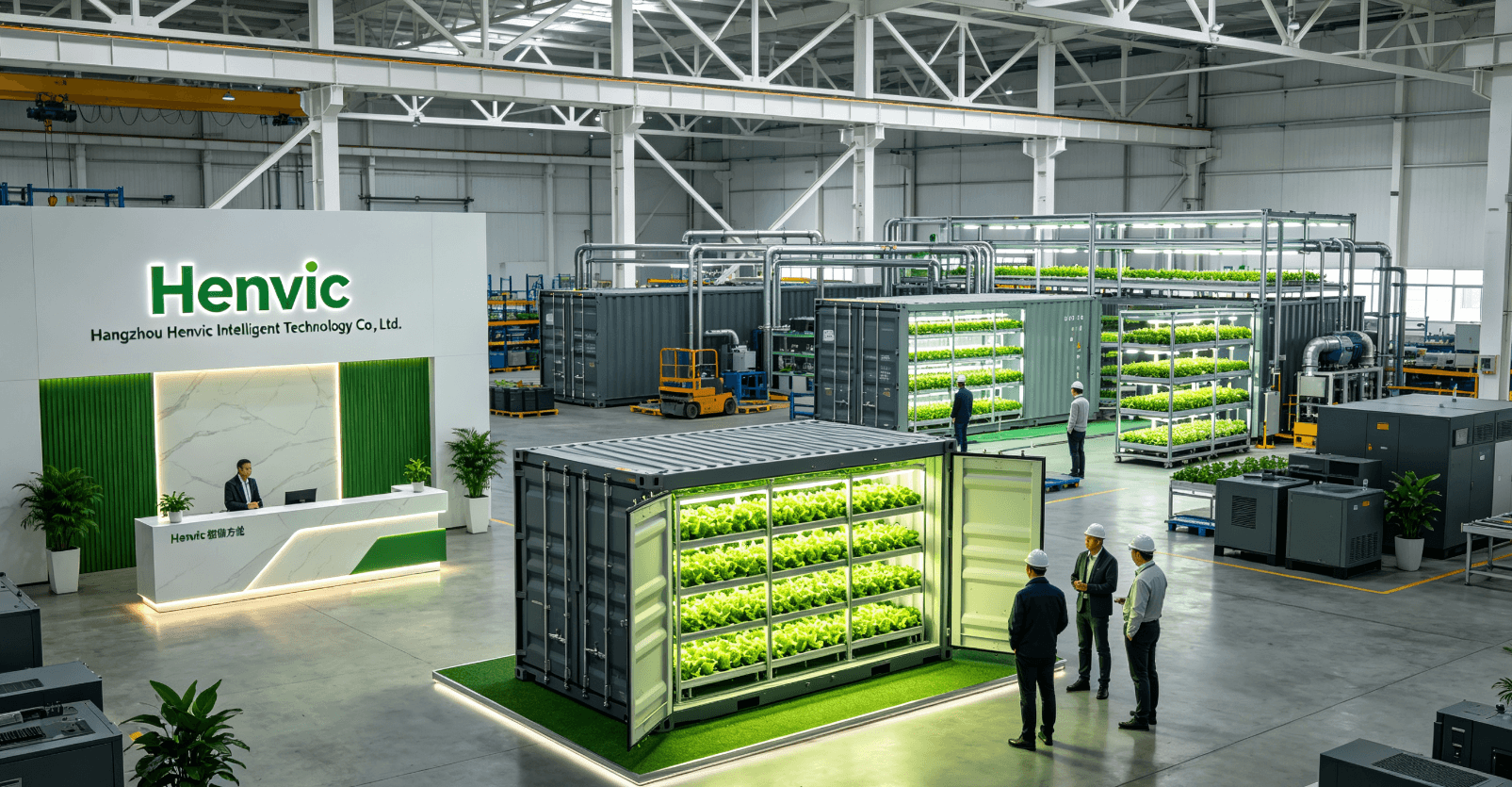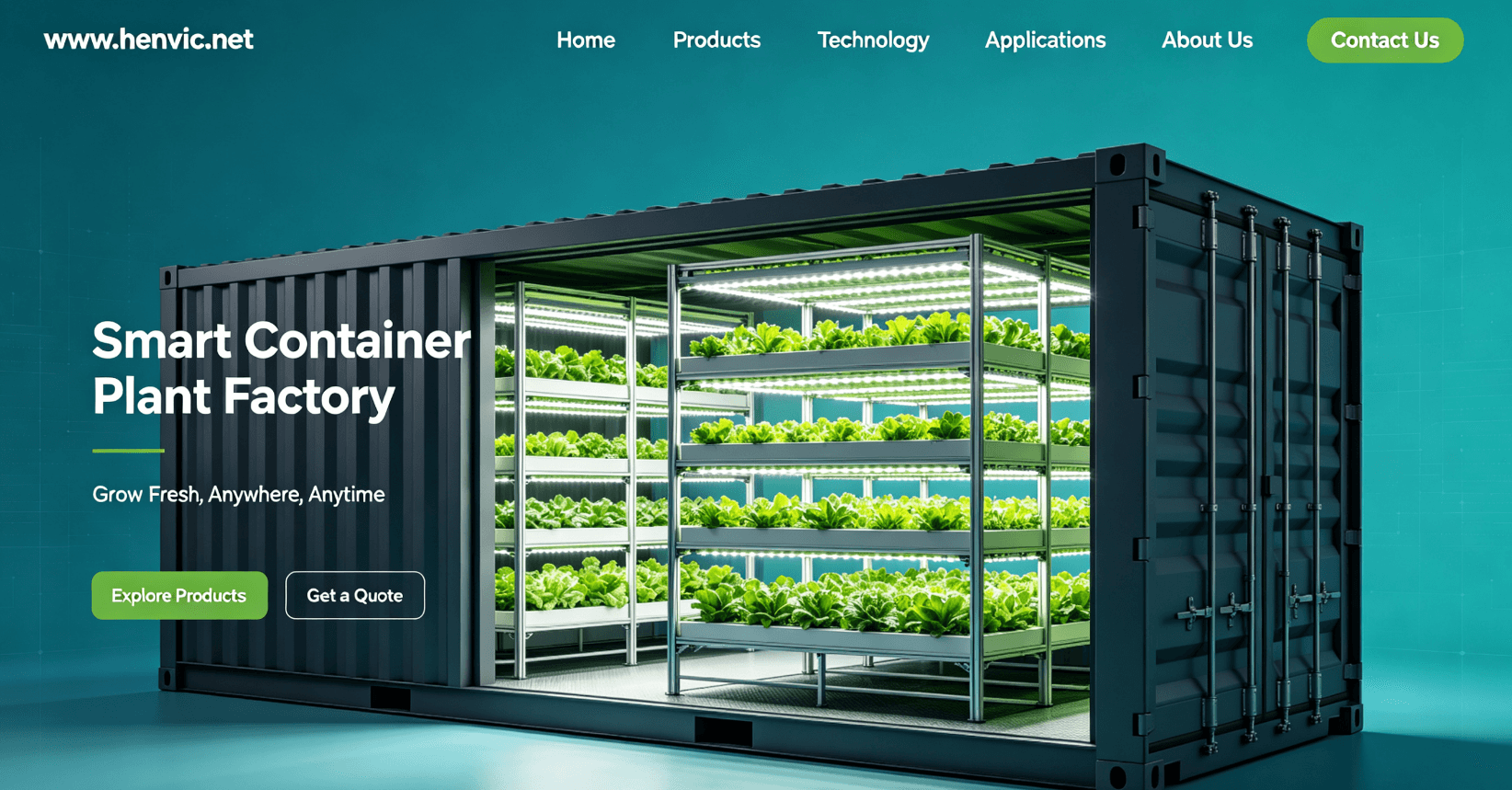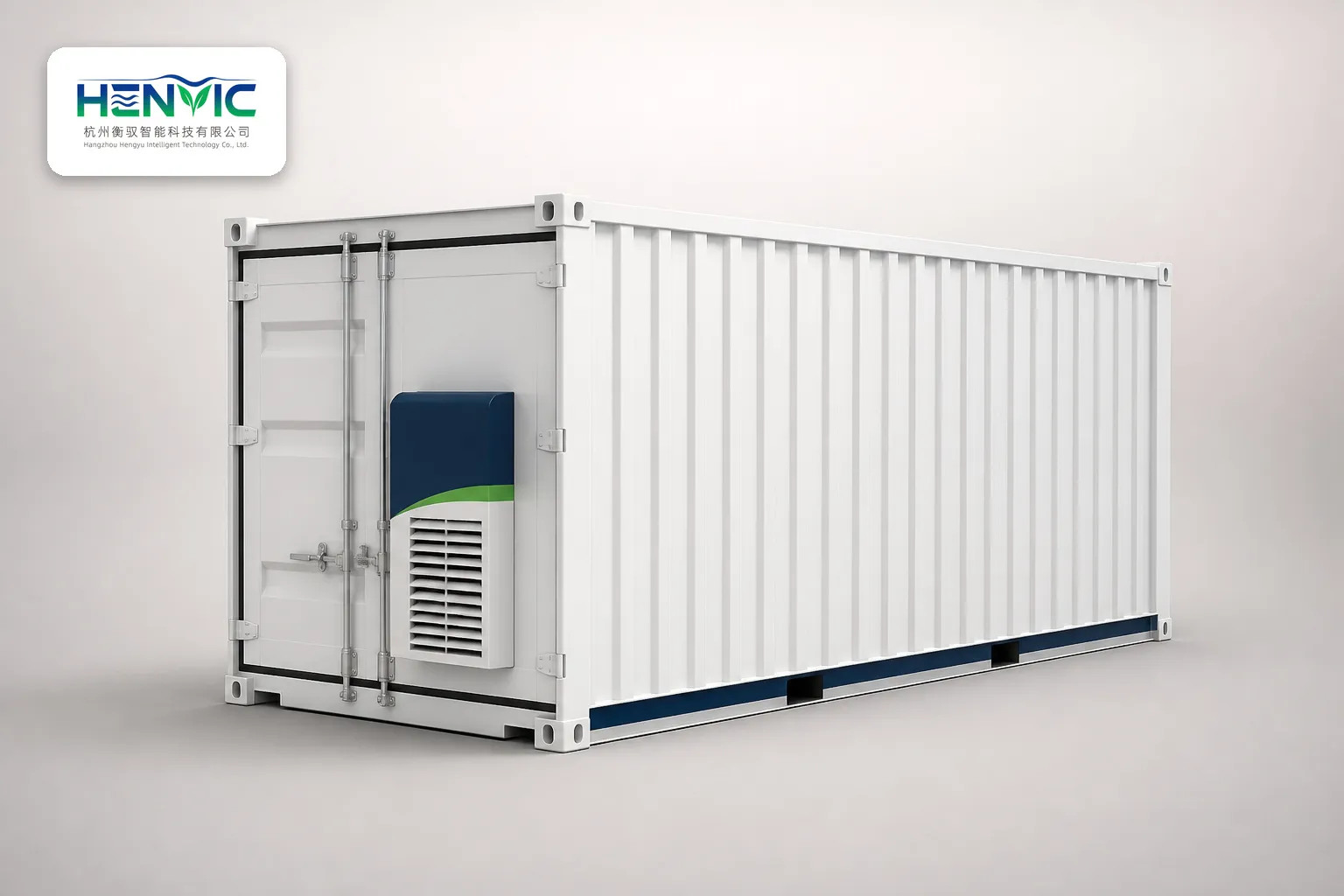
In recent years,leafy green cultivation cabins have become a breakthrough solution to address the challenges of local fresh food supply in overseas markets. By precisely regulating the growth environment, these cabins enable year-round, stable production of high-quality leafy greens, breaking through the limitations of soil conditions, seasonal changes, and geographic climates. From desert regions to high-latitude countries, cultivation cabins have achieved remarkable success, providing reliable supply sources of fresh vegetables, reducing food miles, and promoting sustainable agriculture. The following cases showcase their practical value and broad applicability.
1. United States: Cultivation Cabins Solve Fresh Vegetable Shortage in Desert Regions
In the arid and semi-arid states of the American West, such as Arizona and Nevada, traditional open-field cultivation faces severe challenges due to low rainfall, high temperatures, and poor soil fertility. Growing fresh leafy greens like lettuce, spinach, and watercress locally has long been difficult, forcing these areas to rely on long-distance transportation from coastal regions. This not only increased food costs but also reduced the freshness and nutritional value of vegetables.
To solve this problem, a farm in Arizona introduced fully intelligent leafy green cultivation cabins. These cabins adopt closed vertical cultivation systems, equipped with advanced LED light sources, precise water and fertilizer circulation equipment, and constant temperature and humidity control systems. The intelligent control platform dynamically adjusts environmental parameters according to the growth stages of different leafy greens, optimizing photosynthesis efficiency.
Within one year of operation, the farm achieved continuous, stable harvests of leafy greens, with annual output several times that of traditional open-field cultivation. The vegetables produced in the cabins have high quality, rich nutrients, and are free from pesticides and soil pollution, fully meeting local market demand. This not only reduced dependence on long-distance vegetable supply, but also shortened the supply chain, greatly improving the freshness of local vegetables and achieving good economic and social benefits.
2. Netherlands: High-tech Cultivation Cabins Boost Energy Efficiency
The Netherlands is a global leader in modern facility agriculture, but it has faced difficulties in balancing high-quality production with energy consumption for a long time. Traditional greenhouse cultivation requires massive energy input for heating, cooling, and light supplementation, bringing high costs and environmental pressure. To improve energy efficiency, a Dutch agricultural technology company developed a low-energy leafy green cultivation cabin.
This cabin adopts natural light-transmitting insulation materials and a semi-closed design, utilizing natural light as much as possible to reduce artificial light usage. It is fitted with a heat recovery system and efficient humidification and dehumidification equipment to recycle energy and reduce consumption. Through precise environmental regulation, the cabin ensures stable growth of leafy greens such as lettuce, kale, and arugula all year round. The vegetables produced meet stringent local quality standards and have strong market competitiveness.
Meanwhile, the energy consumption of this cabin is significantly lower than traditional greenhouses. The company has applied this technology to multiple cultivation bases, realizing cost reduction and efficiency improvement while ensuring product quality, providing an energy-saving and environmentally friendly model for local high-end leafy green cultivation.
3. Canada: Cultivation Cabins Suppress Invasive Weeds for Precise Production
In cold regions of Canada, especially in northern areas, low temperatures and short growing seasons make it extremely difficult to produce fresh leafy greens locally. Most fresh vegetables rely on imports, which is not only costly but also results in insufficient freshness. In addition, local arable soil has severe weed problems, increasing the cost of managing invasive weeds.
To change this situation, several family farms in northern Canada introduced soilless leafy green cultivation cabins. These cabins adopt soilless cultivation technology and fully enclosed environmental control systems to completely cut off the connection between vegetables and external soil. This effectively prevents invasive weed seeds from entering the growing space, eliminating the need for massive weed management investments.
By precisely controlling temperature, humidity, light, and water and fertilizer conditions, the cabins realize standardized cultivation of local greens such as lettuce, mustard greens, and Swiss chard. Even in harsh cold weather, the cabins maintain stable production. The leafy greens produced by this model are free from contamination, have good taste, and supply local communities and restaurants, effectively solving the local fresh vegetable shortage problem and creating a sustainable cultivation model suitable for cold regions.
Successful cases in the United States, the Netherlands, and Canada demonstrate that leafy green cultivation cabins can adapt to different natural conditions such as deserts, high latitudes, and cold regions. They break through the limitations of geography, climate, and soil, providing a stable, green, and efficient solution for local leafy green cultivation around the world.