Introduction
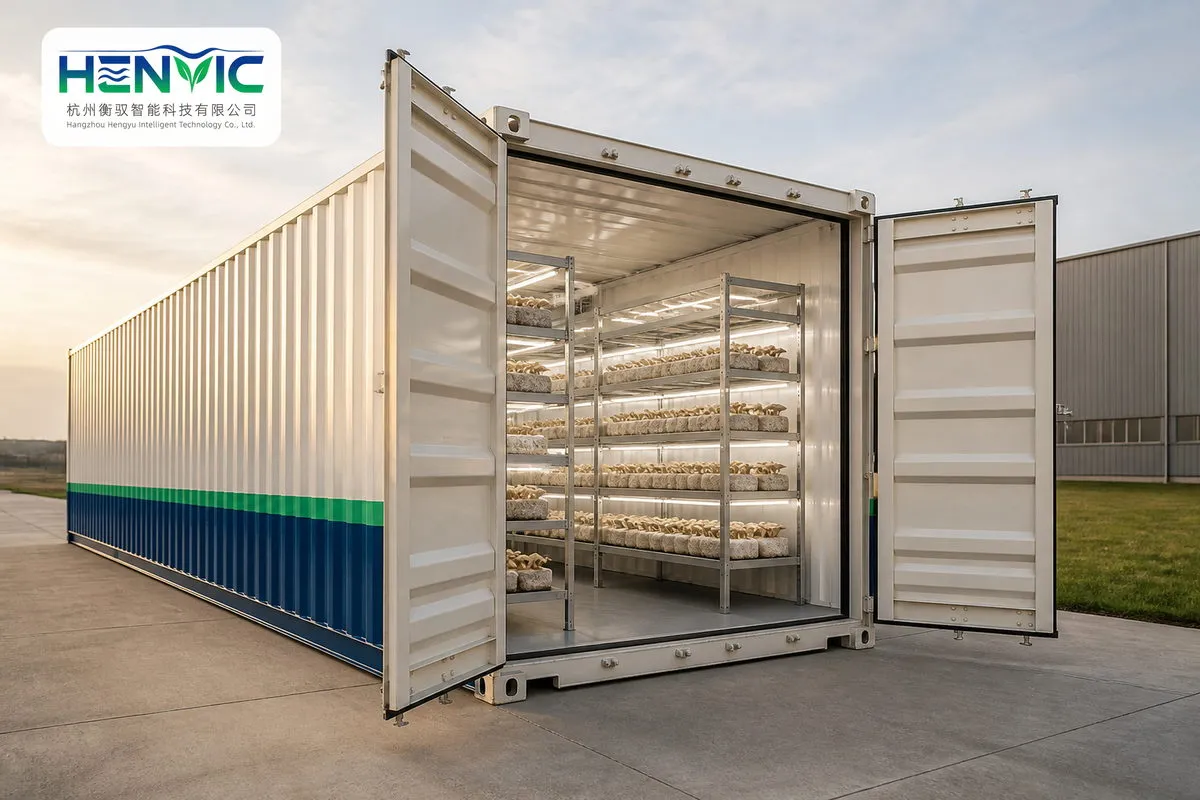
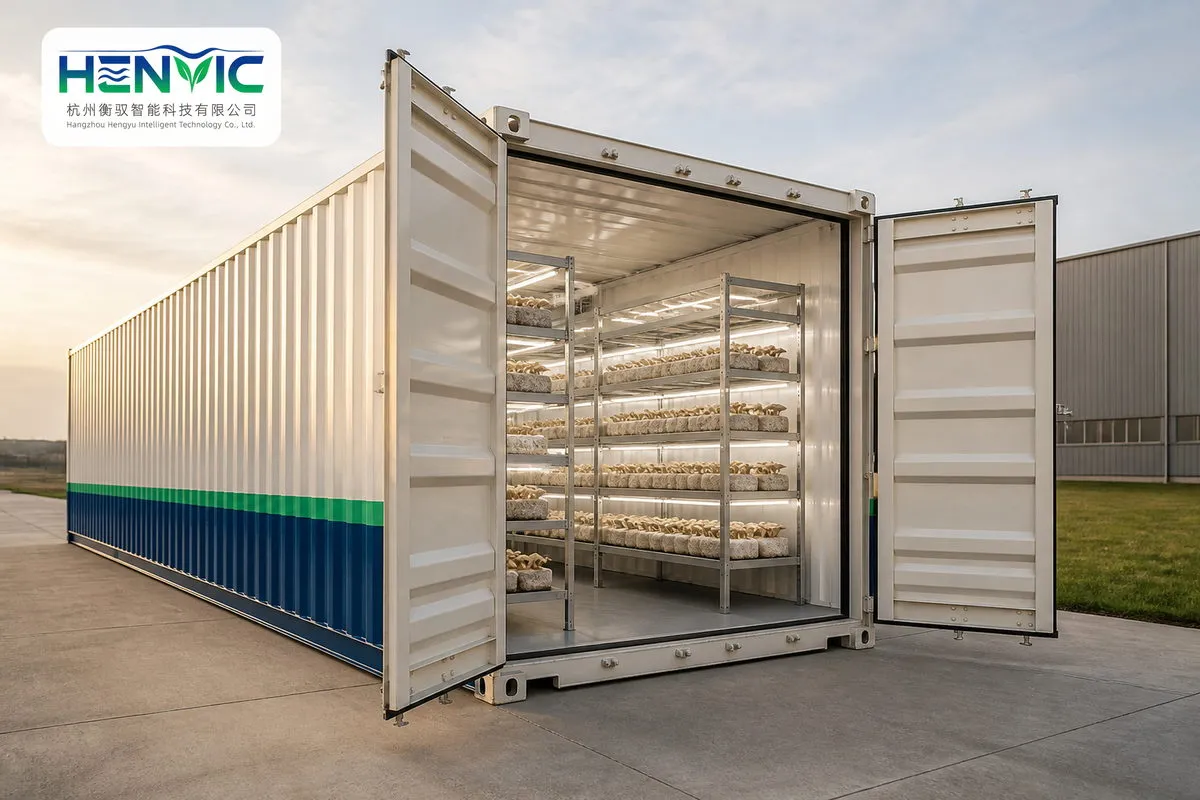
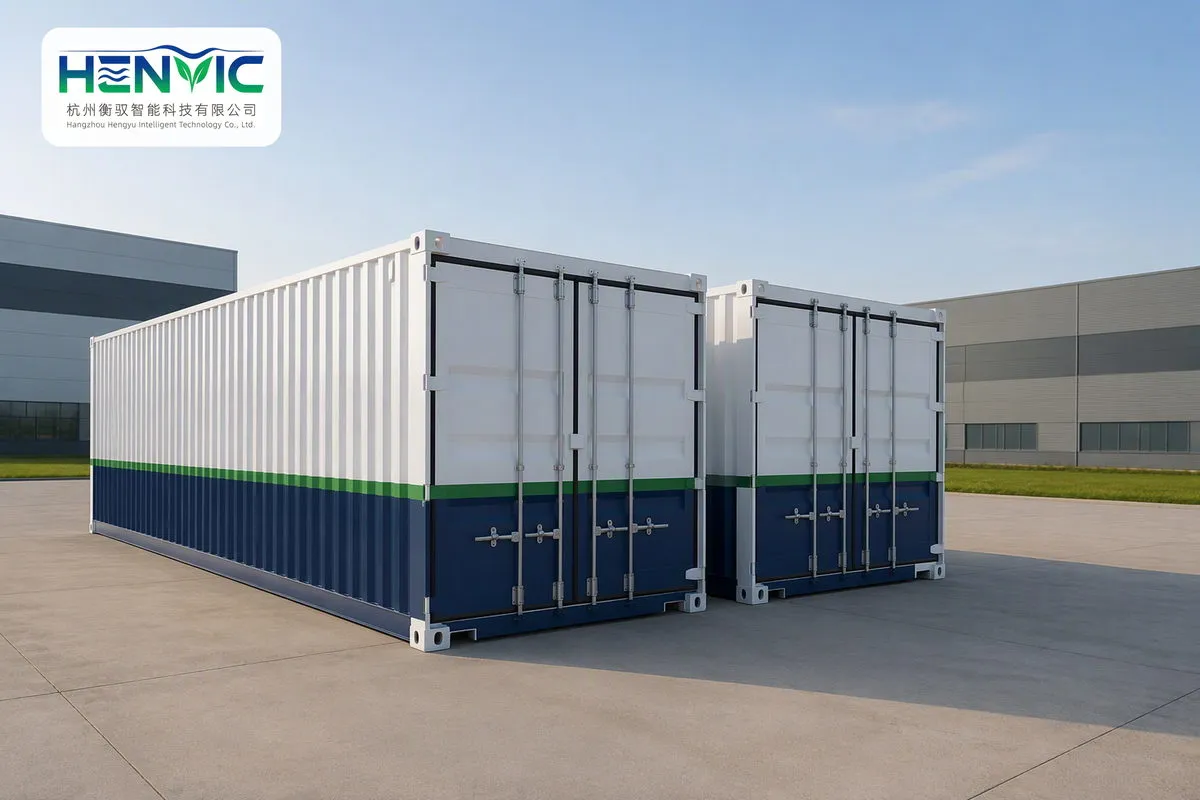
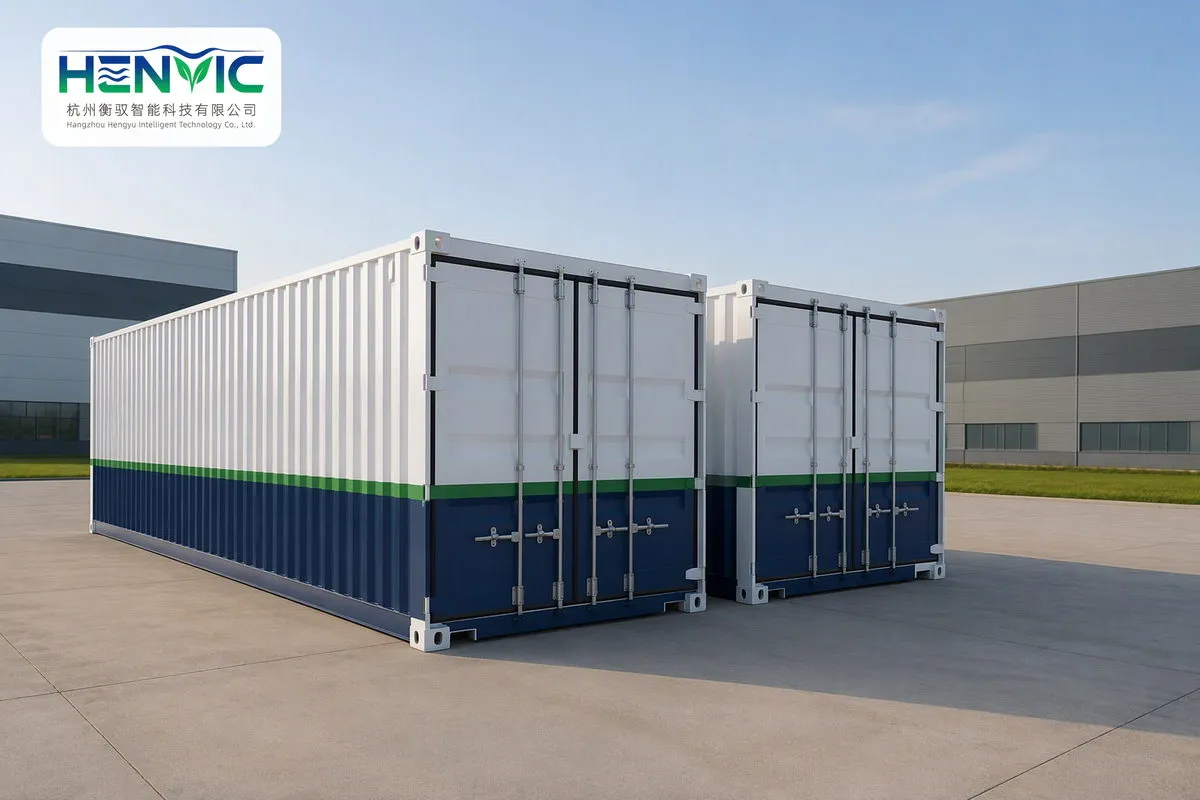
In recent years, with the continuous advancement of modern agricultural technology, vegetable cultivation containers, also known as smart plant factories or containerized farms, have garnered widespread attention. Compared with traditional open-field agriculture or even ordinary greenhouses, vegetable cultivation containers utilize closed-loop environmental control, intelligent automation, and multi-tier vertical cultivation systems. These advancements allow for continuous, all-weather vegetable production that is unaffected by external climate and geographical conditions. Whether in extreme climates, densely populated urban centers, or regions with severe arable land shortages, vegetable cultivation containers offer a highly controllable and efficient solution for modern agricultural production. This article will provide an in-depth exploration of the core technologies and practical applications of vegetable cultivation containers.
I. Core Technologies of Vegetable Cultivation Containers
To simulate an ideal agricultural ecosystem, vegetable cultivation containers rely on the integration of multiple cutting-edge technologies, primarily including environmental control systems, LED optical technologies, soilless cultivation systems, and intelligent management systems.
1. High-Precision Environmental Control Technology
The most significant advantage of vegetable cultivation containers is complete mastery over the internal environment. By installing various precision sensors and automated control equipment, the containers continuously monitor and adjust key environmental variables:
- Temperature Control: The environment is maintained in an optimal temperature range for specific crop growth through heating, ventilation, and air conditioning (HVAC) systems, avoiding growth stagnation caused by extreme heat or cold.
- Humidity Regulation: Humidifiers and exhaust systems work together to maintain appropriate air moisture, preventing problems such as leaf tip burn caused by excessively dry air, as well as the risk of fungal disease outbreaks caused by excessive moisture.
- Carbon Dioxide Optimization: In closed systems, CO₂ concentration often becomes a bottleneck for photosynthesis. Containers can intelligently supplement CO₂ through controlled systems to significantly enhance the functional efficiency of photosynthesis, thus accelerating plant growth and substantially improving yield.
2. Advanced LED Vertical Lighting Systems
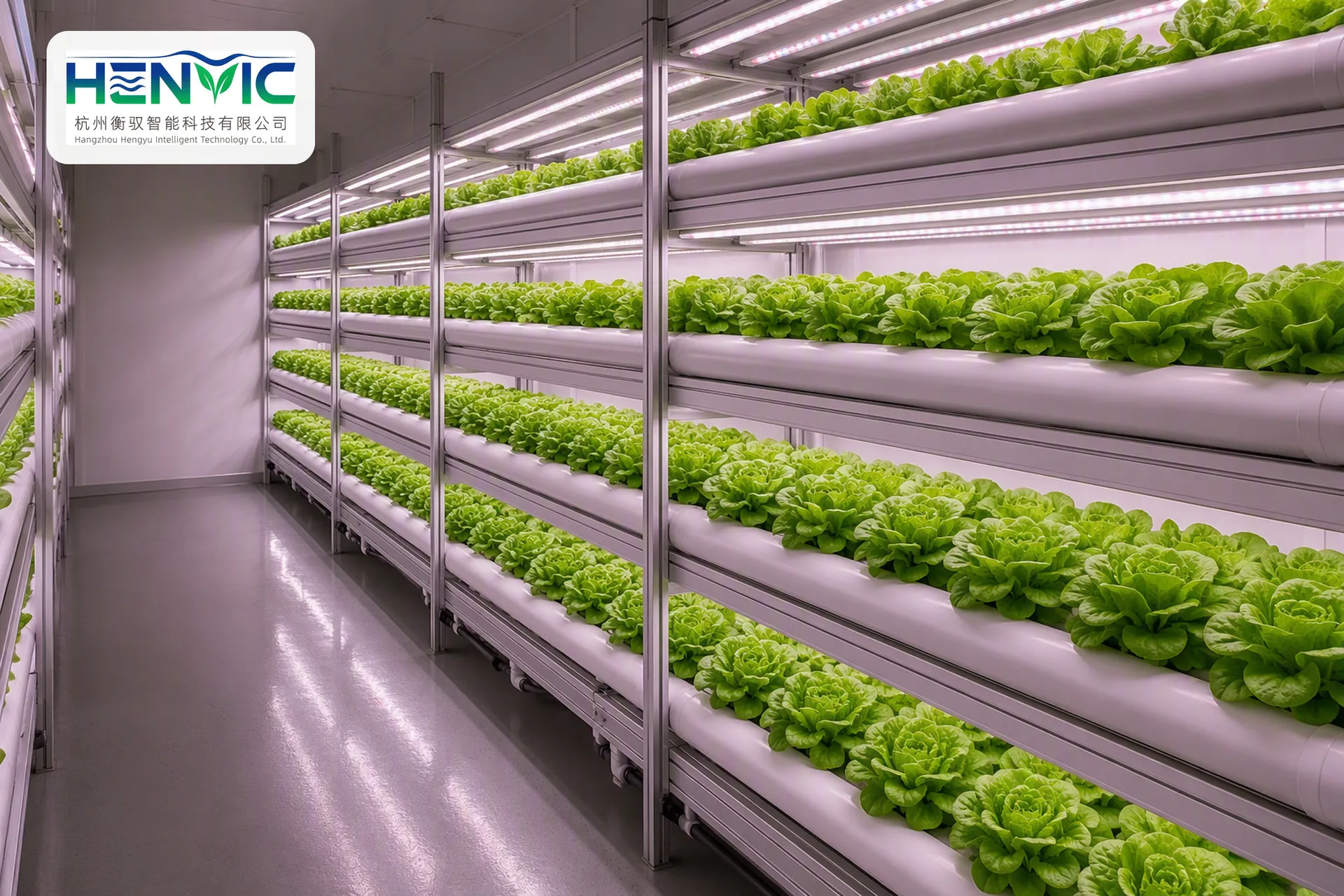
Light is the primary energy source for plant photosynthesis. To maximize spatial efficiency, vegetable cultivation containers universally adopt multi-tier vertical racks. LED lighting is the only viable choice in this context for the following reasons:
- Low Heat Emission: LEDs generate very little radiant heat, allowing them to be installed directly above the plants without causing thermal damage. This maximizes the vertical planting density.
- Spectral Customization: Light meets different growth stage requirements, such as the red and blue spectra, and can be intelligently adjusted according to crop types (leafy greens or fruiting vegetables) to maximize photosynthetic efficiency and improve the commercial value of the produce.
- Intelligent Lighting Management: The illumination duration and intensity can be precisely programmed, simulating changing natural light conditions and ensuring ideal vegetative growth without the risk of insufficient light or light saturation.
3. Soilless Cultivation Systems
Traditional soil farming is severely constrained by land resources, susceptibility to pests, and the risk of heavy metal accumulation. Soilless cultivation technology within containers has effectively broken these bottlenecks, predominantly including two methods:
- Hydroponics: Plants' roots grow directly in a nutrient solution. This method is highly efficient for cultivating fast-growing crops such as lettuce, arugula, and herbs. It provides plants with balanced nutrients while saving significant amounts of water compared to traditional farming methods, making it ideal for leafy crops.
- Aeroponics and Aquaponics: Aeroponic systems spray a nutrient mist onto plant roots suspended in the air, using even less water than traditional hydroponics. Aquaponic systems combine aquaculture with planting, using nutrient-rich water from fish tanks to grow vegetables naturally and sustainably, mostly used for specific organic cultivation.
4. Intelligent IoT and Data Analytics
Vegetable cultivation containers are essentially "intelligent agricultural facilities." By integrating the Internet of Things (IoT) technology, containers collect environmental data in real-time. When sensors detect deviations from set parameters, the systems automatically trigger corresponding equipment (such as turning on fans, starting water pumps, or adjusting light intensity). Furthermore, through cloud computing and big data analytics, cultivators can remotely monitor operations via mobile devices, while accumulated data is used to optimize cultivation protocols, ultimately reducing human labor and minimizing cultivation risks.
II. Wide-Ranging Applications and Advantages
1. Solving the Crisis of Urban Agriculture
In highly urbanized areas with scarce agricultural land, placing vegetable cultivation containers atop buildings, in basements, or within factories has become an innovative practice. This approach significantly shortens the supply chain, establishing a "from farm to table" model where fresh vegetables are delivered directly to residents, restaurants, and supermarkets, greatly reducing transportation costs and the carbon footprint associated with the food supply chain.
2. Uncompromised Food Safety and Pesticide-Free Production
Because vegetable cultivation containers are completely isolated from the outside environment and utilize strict air filtration (such as HEPA filters) and sterile personnel access protocols, external pests and pathogens are effectively blocked. Unlike traditional farming, cultivation within containers requires little to no chemical pesticides, while strict control over inputs and water quality guarantees the absolute safety and purity of the fresh produce.
3. Highly Efficient Production in Extreme Environments
In arid regions, areas with heavy metal soil contamination, or regions with extreme weather and cold climates, traditional agriculture struggles to succeed. However, vegetable cultivation containers provide a reliable agricultural production method for these regions, enabling communities to achieve continuous and efficient yields year-round.
III. Future Outlook
The technologies supporting vegetable cultivation containers are evolving rapidly. Moving forward, research will increasingly focus on reducing the massive energy consumption of air conditioning and lighting. The application of novel solar materials, highly efficient conversion devices, AI-driven predictive algorithms, and crop breeding specifically tailored for indoor cultivation will be key breakthroughs.
Conclusion
In summary, vegetable cultivation containers, empowered by intelligent environmental control, LED lighting, and soilless cultivation technologies, are fundamentally transforming the traditional agricultural production model. They make farming no longer constrained by climate or geography, significantly enhancing agricultural production efficiency and food safety. As technology advances and costs decrease, vegetable cultivation containers will inevitably become an indispensable pillar in the future global food production system.