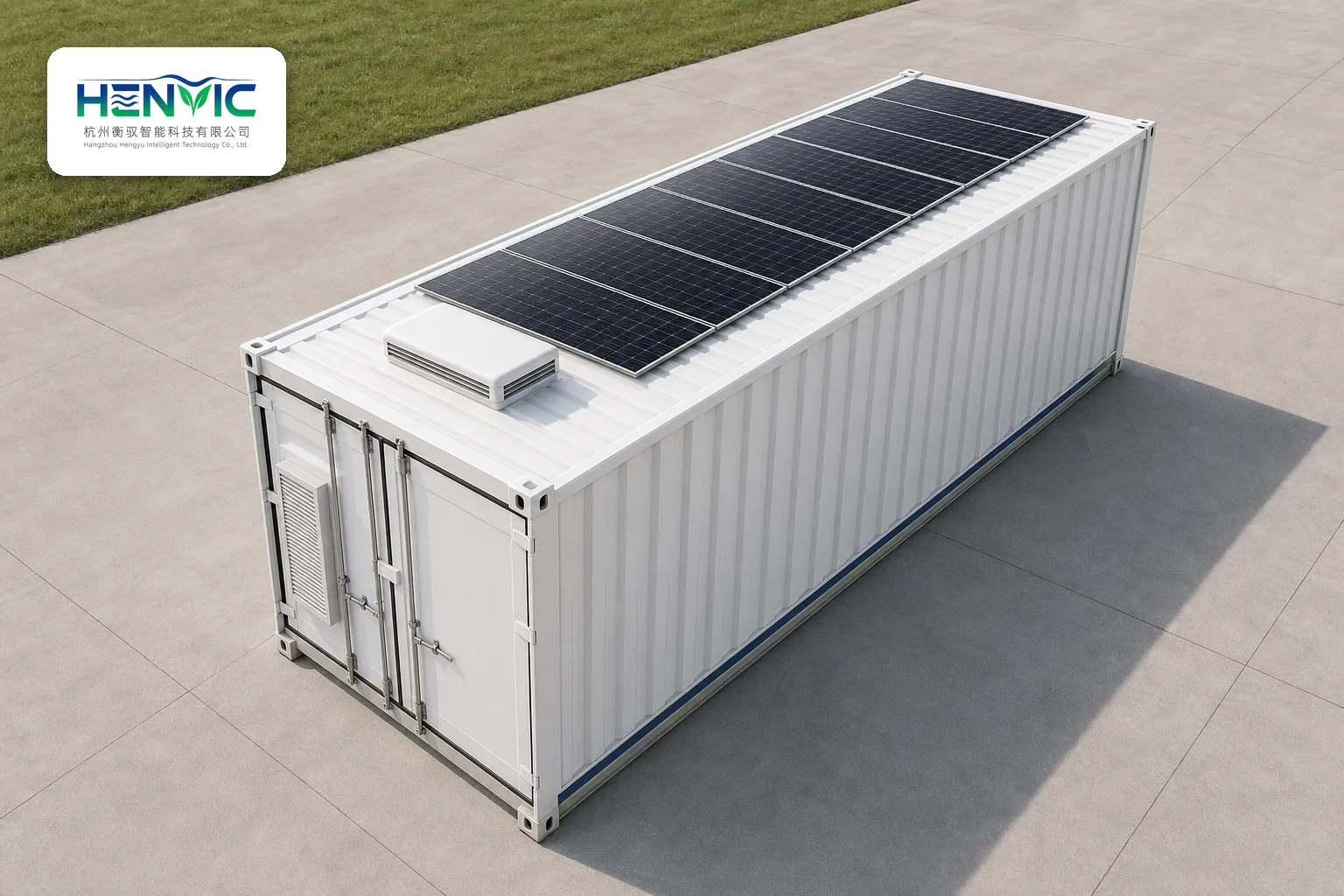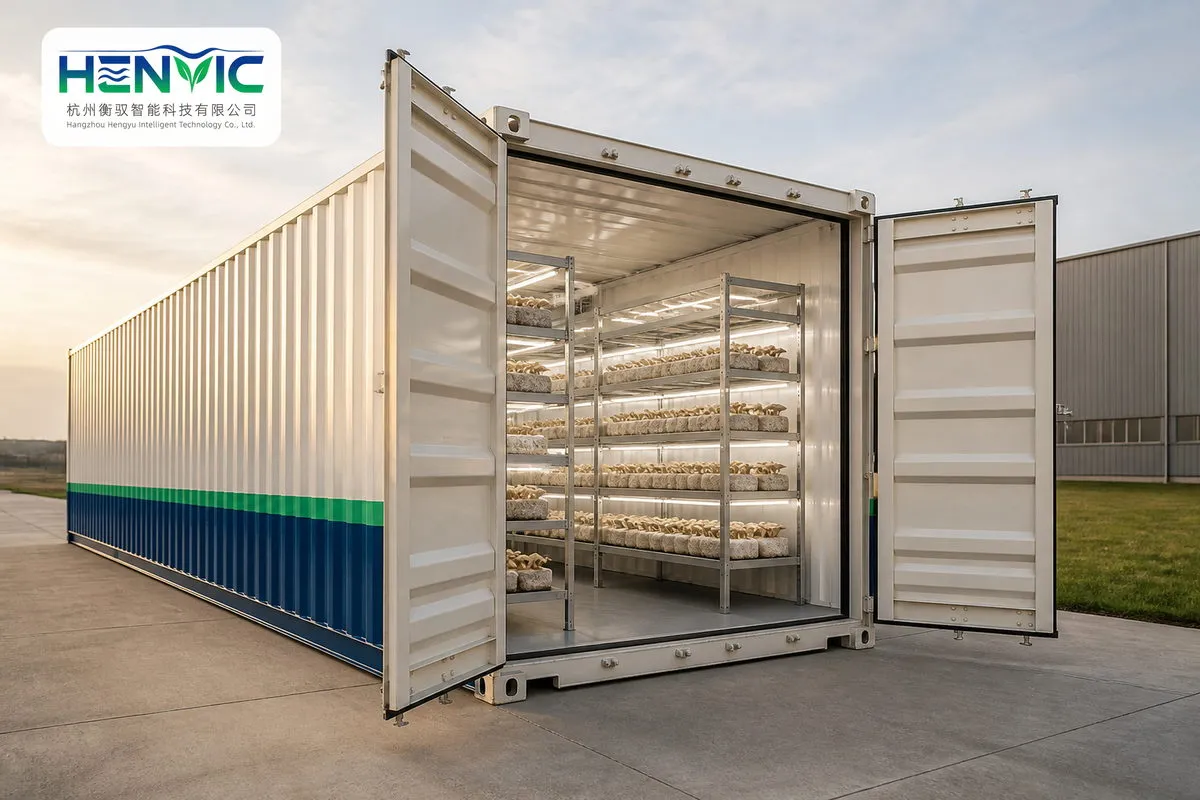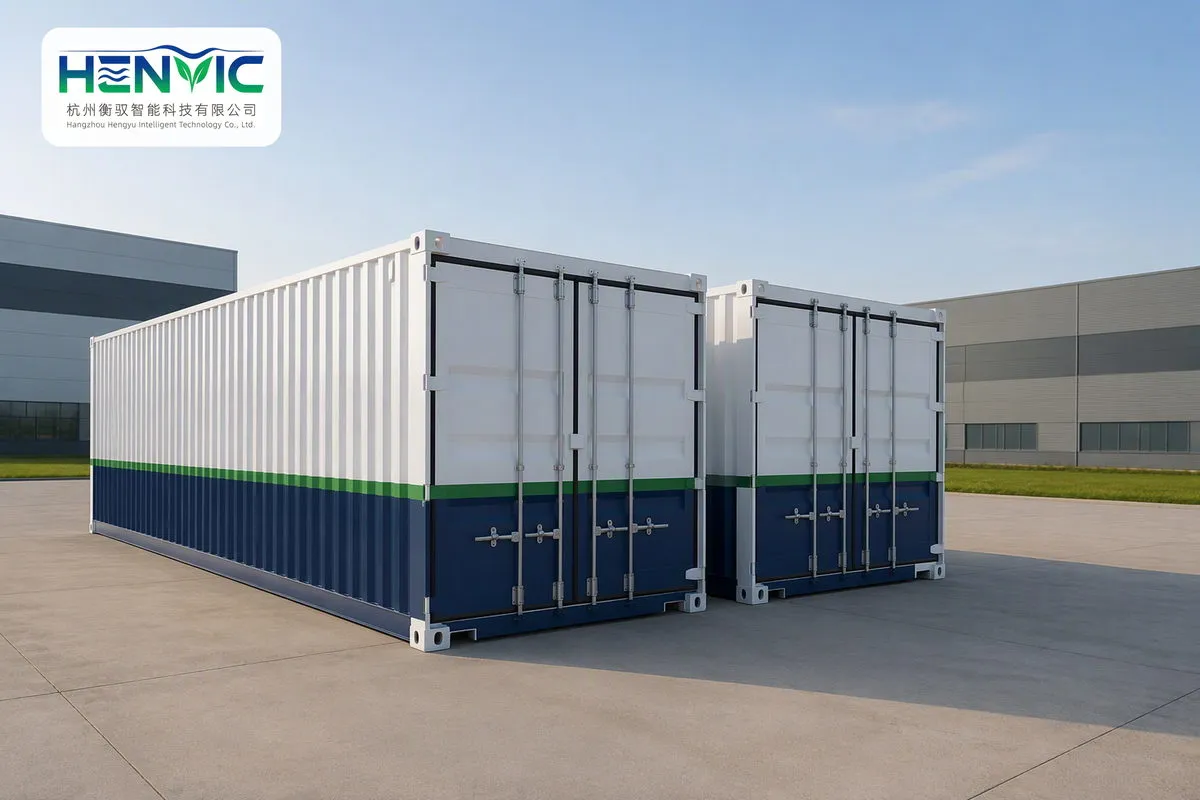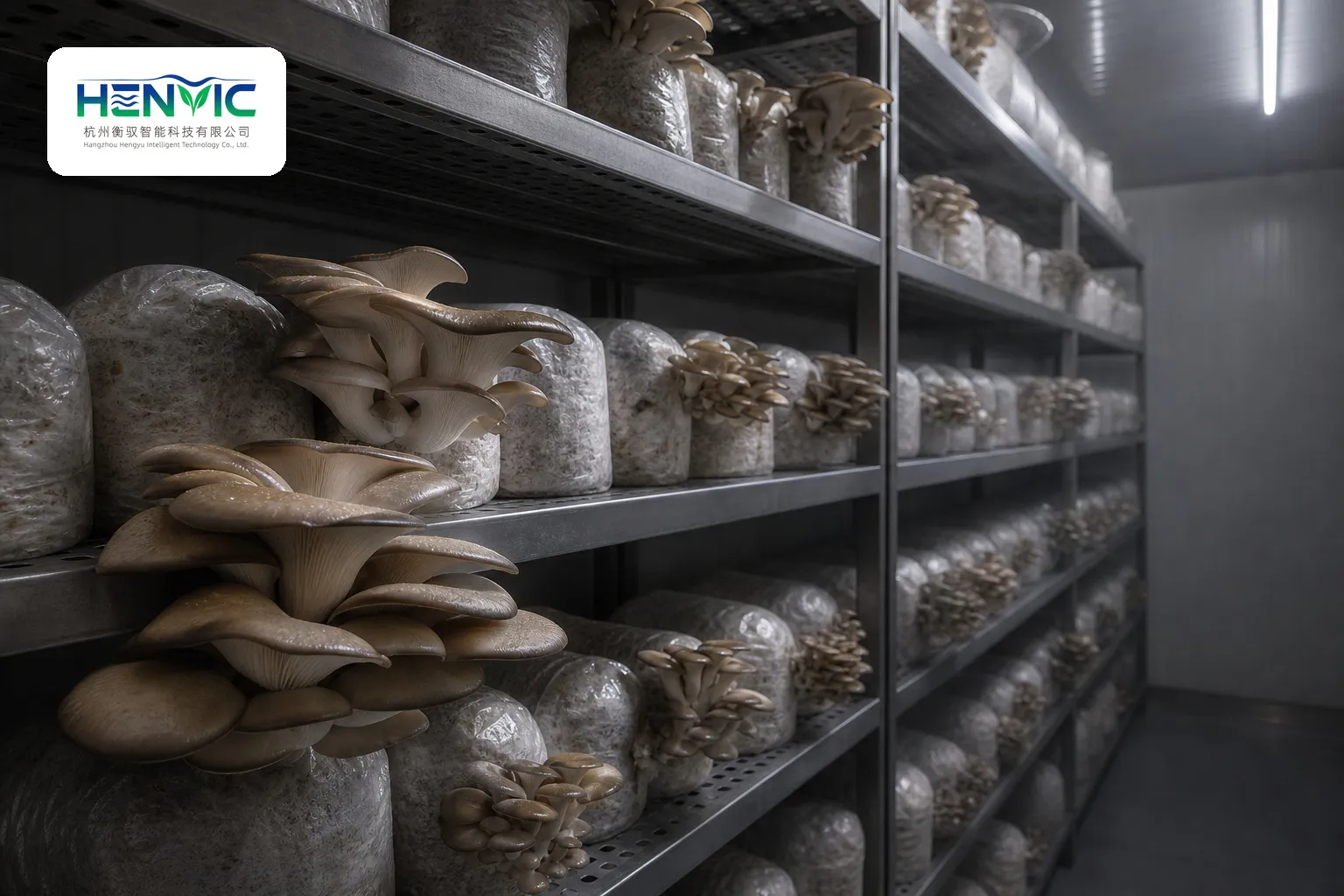
In the intersection of agricultural innovation and biotechnology, the cultivation of edible fungi has witnessed transformative advancements. Among the various techniques emerging in this space, the use of specialized cultivation boxes for growing Baomushi—a highly prized, leaf-like edible mushroom scientifically known as Lactarius versicolor (a type of milk-cap fungus)—has gained significant traction. This article delves into the design, working principles, advantages, and future prospects of cultivation box technology for Baomushi, highlighting how this method is redefining fungal agriculture.
1. Introduction to Baomushi: A Nutritious and Delicate Fungus
Baomushi, or the "lettuce mushroom," is renowned for its tender, lettuce-like cap and rich, earthy flavor. Native to certain mountainous regions, it has been traditionally harvested from the wild, but its growing popularity has spurred efforts to cultivate it under controlled conditions. The fungus is valued not only for its culinary appeal but also for its nutritional profile, which includes high protein content, dietary fiber, and bioactive compounds with potential health benefits.
However, Baomushi is a delicate organism with specific environmental requirements, making its cultivation challenging. This is where cultivation box technology offers a precise and controlled solution.
2. The Core Structure and Design of the Baomushi Cultivation Box
A cultivation box for Baomushi is a purpose-built container designed to replicate the optimal growing environment for this mushroom while ensuring isolation from external contaminants.
2.1 Material and Construction
The boxes are typically constructed from high-quality, food-grade materials such as heat-resistant polycarbonate, stainless steel, or specialized plastic polymers. These materials are selected for their durability, resistance to moisture and chemical degradation, and ease of sterilization.
2.2 Design Features
- Airtight Seal: To prevent the entry of contaminants and maintain a controlled atmosphere, the boxes are equipped with airtight seals. This is crucial for preventing the growth of competing fungi and bacteria.
- Transparent or Semi-Transparent Walls: Some variants feature transparent or translucent walls allowing growers to monitor the growth progress without opening the box, thereby minimizing contamination risks.
- Temperature Control Mechanism: Integrated heating or cooling elements maintain the ideal temperature range (usually between 20°C to 25°C) for Baomushi growth.
- Humidity Regulation: Built-in misting systems or water reservoirs ensure that humidity levels remain in the optimal range, typically between 85% to 95%, which is essential for the mushroom's mycelium development and fruiting.
- Ventilation System: A sophisticated vent system with micro-perforations allows for controlled gas exchange, ensuring adequate oxygen supply and the removal of carbon dioxide without compromising sterility.
- LED Lighting: Low-intensity LED lights are installed to mimic the ambient light conditions under which Baomushi naturally grows, promoting healthy development.
3. Cultivation Process Within the Box
3.1 Preparation of Substrate and Inoculation
The cultivation begins with preparing a suitable substrate—a nutrient medium for the mushroom. Due to the specific needs of Baomushi, this often involves a mix of hardwood sawdust, supplemented with organic nutrients such as wheat bran, rice bran, and minerals. The substrate is sterilized in an autoclave to eliminate any existing microbial life. After cooling, it is placed inside the cultivation box, and a pure culture of Baomushi mycelium is introduced under sterile conditions.
3.2 Environmental Control and Monitoring
Once inoculated, the box enters a carefully managed phase. The parameters such as temperature, humidity, light, and gas exchange are continuously monitored and adjusted by an embedded control system. In some advanced models, sensors relay real-time data to a central dashboard, which can integrate IoT technology for remote monitoring and control.
3.3 Growth and Fruiting
During incubation, the mycelium colonizes the substrate, spreading throughout the medium. For Baomushi, this colonization can take two to three weeks. Once fully colonized, the environmental conditions are altered to encourage fruiting—typically by slightly lowering the temperature, increasing humidity, and adjusting light cycles.
3.4 Harvesting
When the mushrooms reach maturity—characterized by fully expanded, firm caps—they are harvested manually. The controlled environment of the box ensures minimal external damage and consistent quality.
4. Advantages of Using Cultivation Boxes for Baomushi
4.1 Precise Environmental Control
The biggest advantage lies in the precision with which temperature, humidity, light, and gas exchange can be managed. This level of control is virtually impossible to replicate in traditional open - field cultivation, leading to higher yields and more consistent product quality.
4.2 Contamination Prevention
By being a closed system, the box significantly reduces the risk of contamination from airborne bacteria, competing fungi, and other pests. This is particularly important for a delicate species like Baomushi, which is prone to various diseases in uncontrolled environments.
4.3 Space Efficiency
Cultivation boxes can be stacked vertically, allowing for high-density farming in a confined space. This is ideal for urban environments or regions where arable land is scarce, enabling scalable production without significant land use.
4.4 Year-Round Production
Unlike traditional methods that are dependent on seasonal changes, the controlled environment inside the box allows for uninterrupted production. This is vital for meeting consistent market demand and stabilizing prices.
4.5 Resource Efficiency
The closed-loop design maximizes the use of resources. Water and nutrients are contained within the system, minimizing waste and the need for frequent replenishment.
5. Challenges and Future Directions
Despite its many benefits, the cultivation box technology for Baomushi faces some hurdles. The initial investment cost for high-tech temperature - controlled boxes is significant, which can be a barrier for small-scale farmers. However, ongoing technological advancements are driving down costs and making the system more accessible.
For the future, research is focused on integrating IoT to make the boxes even more intelligent, designing boxes that can adapt their environmental settings based on real-time fungal growth data, and exploring personalized climate settings for different Baomushi strains. Furthermore, there is a growing trend toward using eco-friendly materials for the boxes and harvesting energy from sustainable sources to power environmental control systems, which will further enhance the sustainability of this method.
6. Conclusion
The cultivation box technology for Baomushi stands at the forefront of modern edible fungal cultivation. By providing a meticulously controlled, contamination-free, and spatially efficient growing environment, it has the potential to revolutionize how this valuable mushroom is produced. As technology matures and becomes more widely accessible, Baomushi cultivation boxes will likely play an increasingly important role in ensuring a sustainable, high-quality supply of this delicacy to global markets, meeting both consumer demands and environmental goals.