Introduction
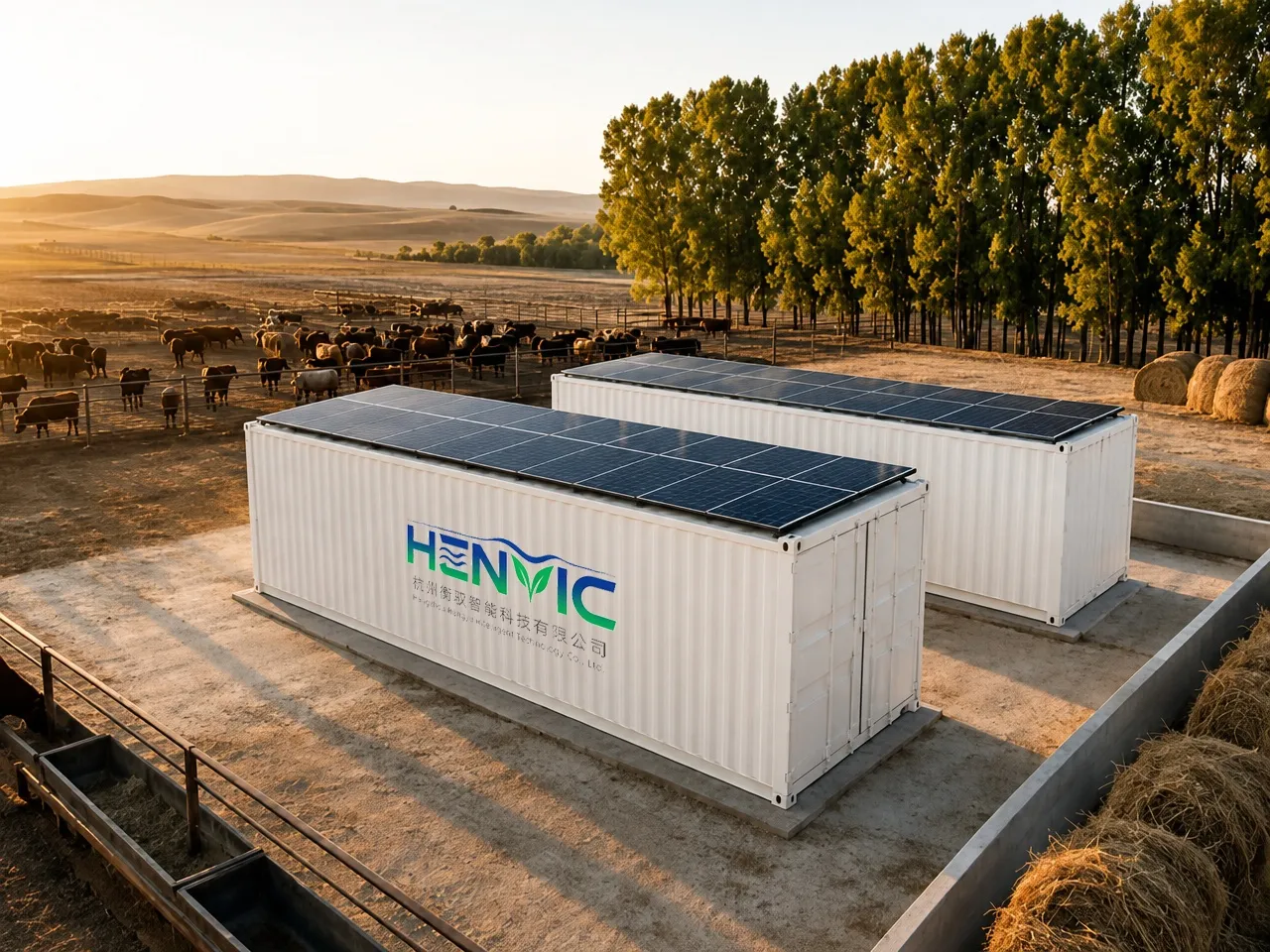
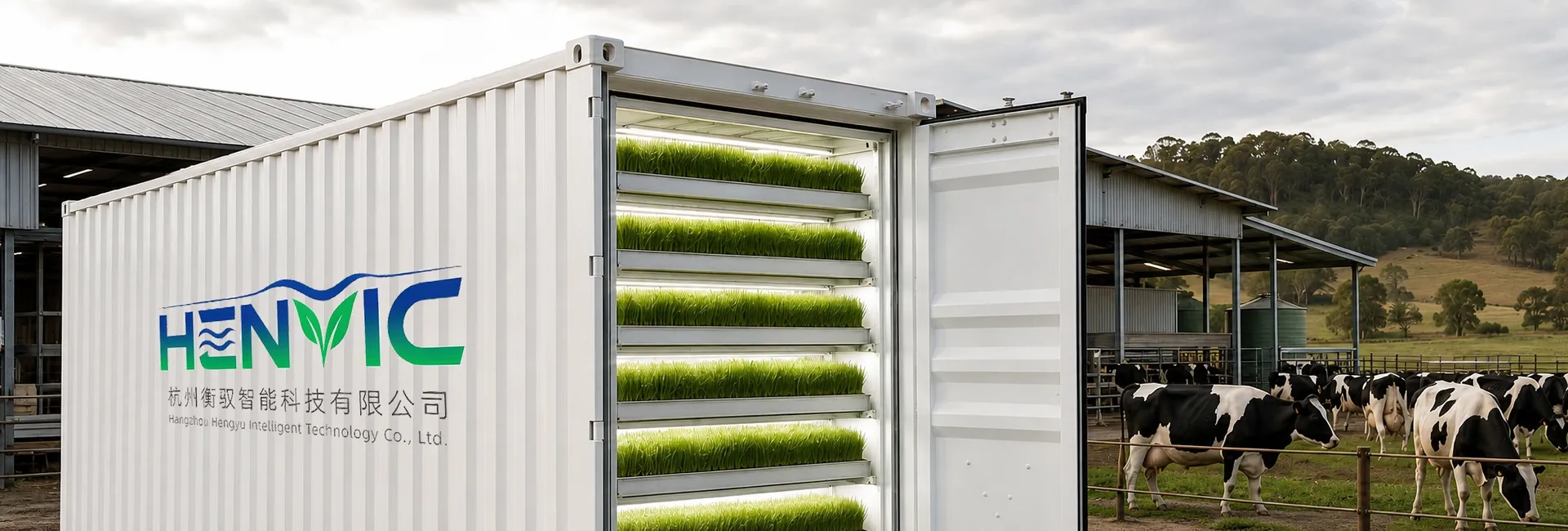
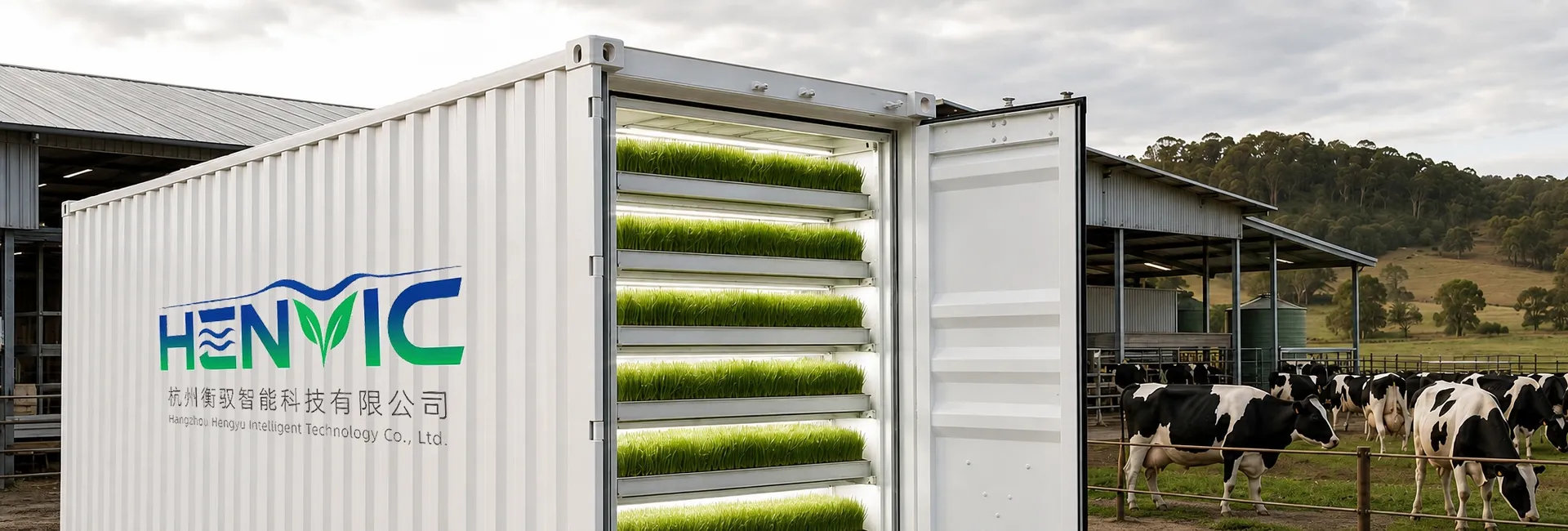
A container farm is a self-contained agricultural production unit built inside a standard shipping container, typically 40 feet (12 m) long, 8 feet (2.4 m) wide, and 8.5–9.5 feet (2.6–2.9 m) high. While most container farms grow leafy greens under LED arrays, a growing branch of this industry applies the same modular logic to mushroom cultivation. By sealing a metal box against the outside climate and equipping it with precise climate-control hardware, an operator can grow oyster, lion's mane, shiitake, king oyster, and other specialty mushrooms anywhere — a warehouse, a city lot, a desert, or a high-latitude site — with predictable yields year-round.
This article outlines the core technology stack: the container envelope, environmental control, substrate preparation, the fruiting process, automation, and the economics that determine whether such a system succeeds.
Why Mushrooms Fit the Container Model
Traditional mushroom farms rely on large, single-purpose buildings — dark, humid "growing rooms" that are expensive to build and hard to retrofit. A container offers several advantages for fungi:
Fungal fruiting is driven by strictly controlled environmental triggers. Unlike plants, mushrooms do not need photosynthesis for their fruiting bodies; they need a tailored sequence of temperature, humidity, carbon dioxide (CO₂), and fresh-air exchange. This makes them ideal for a sealed, digitally managed chamber.
Small footprint, high value density. Specialty mushrooms carry far higher retail value per kilogram than most vegetables, so a single 320-square-foot container can generate meaningful revenue.
Decoupled from geography. Because the container is a closed system, the same protocol works in a humid coastal city or an arid inland one.
The Container Envelope
A mushroom container begins as a modified ISO shipping container with insulated walls, often adding 50–100 mm of polyurethane or PIR foam to reach an R-value suitable for stable temperature hold. Key modifications include:
• Airtight, light-sealed construction with sealed penetrations for power, water, drains, and data.
• A vapor barrier and anti-condensation lining to prevent water from dripping onto fruit bodies.
• A dedicated electrical panel sized for refrigeration, humidification, ventilation, and LED lighting loads.
• A double-door "airlock" entry to limit contamination and climate loss during harvest or maintenance.
Internally, the space is usually divided into functional zones: a clean prep/inoculation area, an incubation (spawn-run) zone kept warm and CO₂-rich, and one or more fruiting zones kept cooler with high humidity. In smaller systems, a single container is run as a batch chamber that cycles through stages.
Environmental Control: The Four Levers
Mushroom fruiting quality depends almost entirely on four interactable variables.
Temperature. Incubation typically runs at 22–25 °C to encourage rapid mycelial colonization. Fruiting temperatures are species-specific: oyster mushrooms fruit around 15–20 °C, lion's mane at 18–22 °C, and shiitake at 15–20 °C. Precise, fast-response cooling is essential because mushrooms generate metabolic heat — a full colonized block can warm its own chamber.
Relative humidity. Fruiting requires 85–95 % relative humidity (RH). This is maintained by ultrasonic foggers, high-pressure misting, or steam humidifiers, with RH sensors driving feedback control. Too low and pins abort; too high and you invite bacterial blotch and other wet-rot problems.
CO₂ and fresh-air exchange. This is the most misunderstood parameter. During spawn run, elevated CO₂ (5,000–20,000 ppm) suppresses premature fruiting. During fruiting, CO₂ must be driven down — often to 400–800 ppm for oyster mushrooms — or the stems elongate into "leggy" specimens with tiny caps. Continuous fresh-air exchange also removes ethylene and manages humidity, so ventilation and humidification must be balanced dynamically.
Light. Mushrooms need little light, but not none. A brief, low-intensity photoperiod (typically 8–12 hours of roughly 50–200 lux, often blue-rich LED) is used to shape cap color, stem length, and directional growth. Light is a morphological signal, not an energy source.
Substrate Preparation
The substrate is the mushroom's food, and contamination control begins here. Common formulations blend agricultural by-products:
• Hardwood sawdust (oak, beech, maple) as a base
• Supplemented with wheat bran, rice bran, soybean hulls, or corncobs for nitrogen and structure
• Moisture adjusted to 60–65 % by weight
• Optionally buffered with gypsum (calcium sulfate) or lime to stabilize pH
The mixed substrate is then sterilized or pasteurized. Two dominant methods are:
• Autoclaving / steam sterilization at 121 °C for 60–90 minutes (or longer for large bags), achieving full sterility.
• Pasteurization at 60–80 °C for several hours, which kills competitors while preserving beneficial thermophilic microbes — adequate for many oyster strains but riskier for slower species.
After cooling, the substrate is inoculated with grain spawn at 5–15 % by weight under clean, positive-pressure or laminar-flow conditions. Contamination — green mold (Trichoderma), bacteria, or competitor fungi — is the single greatest loss driver, so hygiene protocols rival those of a pharmaceutical cleanroom.
The Growth Cycle
1. Colonization (spawn run). Inoculated blocks are held in the dark at warm temperatures with elevated CO₂ for 10–21 days until the mycelium fully permeates the substrate, turning it into a solid white mass.
2. Pinning induction. Operators then "shock" the blocks — dropping temperature, raising fresh-air exchange to lower CO₂, and introducing light. This triggers primordia (pin) formation.
3. Fruiting and harvest. Pins develop into mature fruit bodies over 4–10 days depending on species. Workers harvest by hand, typically for 2–3 flushes per block, with the first flush yielding the highest quality and volume.
Automation and Monitoring
Modern container mushroom farms converge on a digital control layer:
• Sensor networks for temperature, RH, CO₂, and sometimes substrate temperature inside bags.
• Programmable logic controllers (PLCs) or building-management systems executing stage-based recipes automatically.
• Remote dashboards and alerts, allowing one operator to supervise multiple containers.
• Optional robotics for substrate filling, bag handling, and climate optimization via machine-learning models.
Automation reduces labor — the largest recurring cost — and, more importantly, removes human error from climate management, which is where most yield losses originate.
Energy, Economics, and Constraints
Energy is the dominant operating cost. Refrigeration, humidification, and ventilation run continuously, so a mushroom container can draw tens of kilowatts. Cold-climate operations face higher heating demand; hot-climate operations face higher cooling demand. Many operators co-locate containers on food-waste or agricultural sites to recover waste heat or use it for substrate pasteurization.
Capital cost for a turnkey mushroom container ranges widely — from roughly
50
,
000
𝑓
𝑜
𝑟
𝑎
𝑏
𝑎
𝑟
𝑒
𝑐
𝑙
𝑖
𝑚
𝑎
𝑡
𝑒
−
𝑐
𝑜
𝑛
𝑡
𝑟
𝑜
𝑙
𝑙
𝑒
𝑑
𝑠
ℎ
𝑒
𝑙
𝑙
𝑡
𝑜
𝑤
𝑒
𝑙
𝑙
𝑜
𝑣
𝑒
𝑟
200,000 for a fully automated, multi-zone system with cleanroom inoculation.
Throughput is modest but premium-priced. A container may produce several hundred to a few thousand kilograms of mushrooms per month, enough for a profitable niche supplying restaurants, farmers' markets, or subscription boxes — but generally not enough to compete on commodity volume with industrial farms.
The real bottleneck is biology, not machinery. Contamination control, strain selection, and substrate consistency determine success more than the climate hardware itself.
Sustainability and Circular Economy
Container mushroom farms integrate elegantly with circular food systems. They consume agricultural and forestry residues — sawdust, straw, coffee chaff, spent brewer's grain — and return spent mushroom substrateas a nutrient-rich soil amendment, animal feed ingredient, or feedstock for biogas and insect farming. Because production is local, transport emissions are minimal and supply chains are short.
Conclusion
Container farm mushroom technology packages centuries of mycological craft into a digitally controlled, georgraphy-independent production unit. Its appeal lies in marrying the precision of controlled-environment agriculture with the high value density and rapid growth of fungi. The technology is mature enough to deploy today, but it is a precision business: success hinges on disciplined contamination control, species-specific climate recipes, and careful management of energy costs. For entrepreneurs, urban farms, and regional food systems, the container mushroom farm offers a compact, scalable, and ecologically coherent path to fresh, local fungi — 365 days a year.