Introduction
In an era characterized by rapid urbanization, climate volatility, and increasing demands for food security and safety, traditional open-field agriculture is being challenged by space limitations and environmental unpredictability. This has spurred the rapid development of the vegetable cultivation container industry. A vegetable cultivation container—often equipped with advanced environmental control systems—creates an artificial, enclosed environment where conditions such as light, temperature, humidity, and nutrients can be precisely managed. This article provides a comprehensive overview of this emerging industry, covering its underlying technology, market trends, and future development.
I. The Core Concept: What is a Vegetable Cultivation Container?
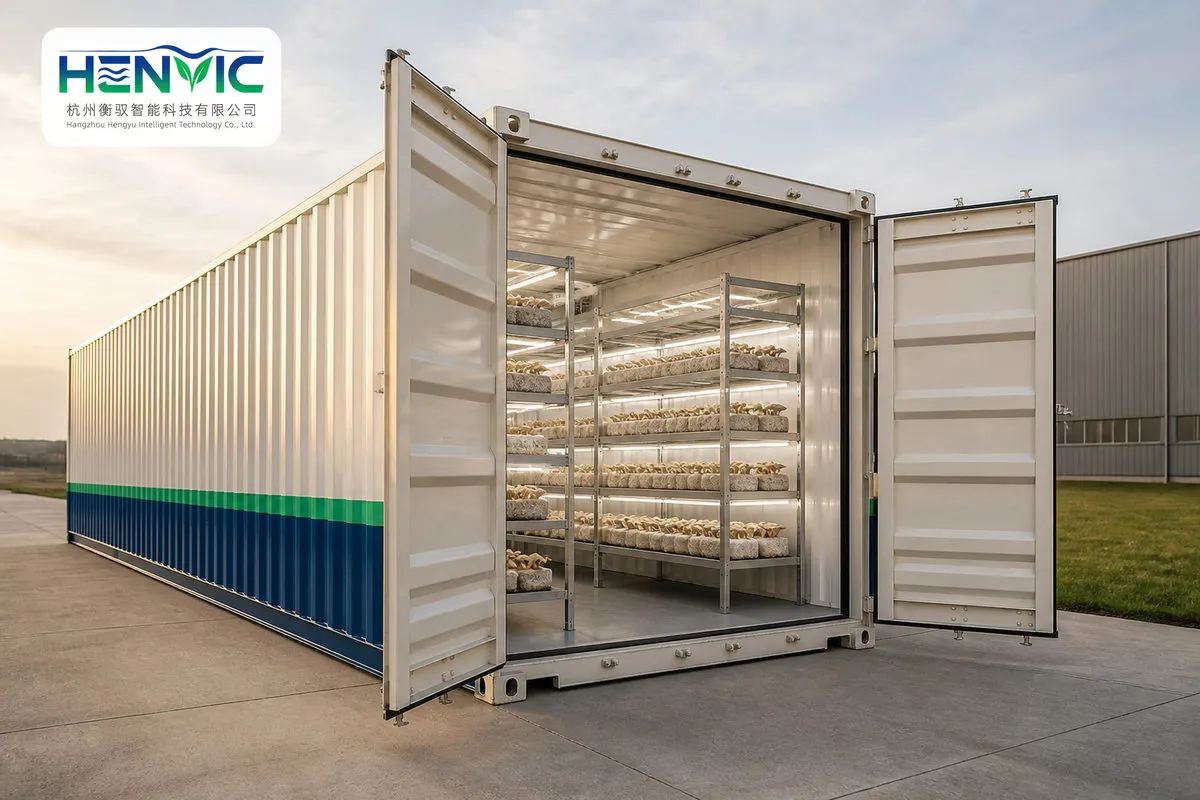
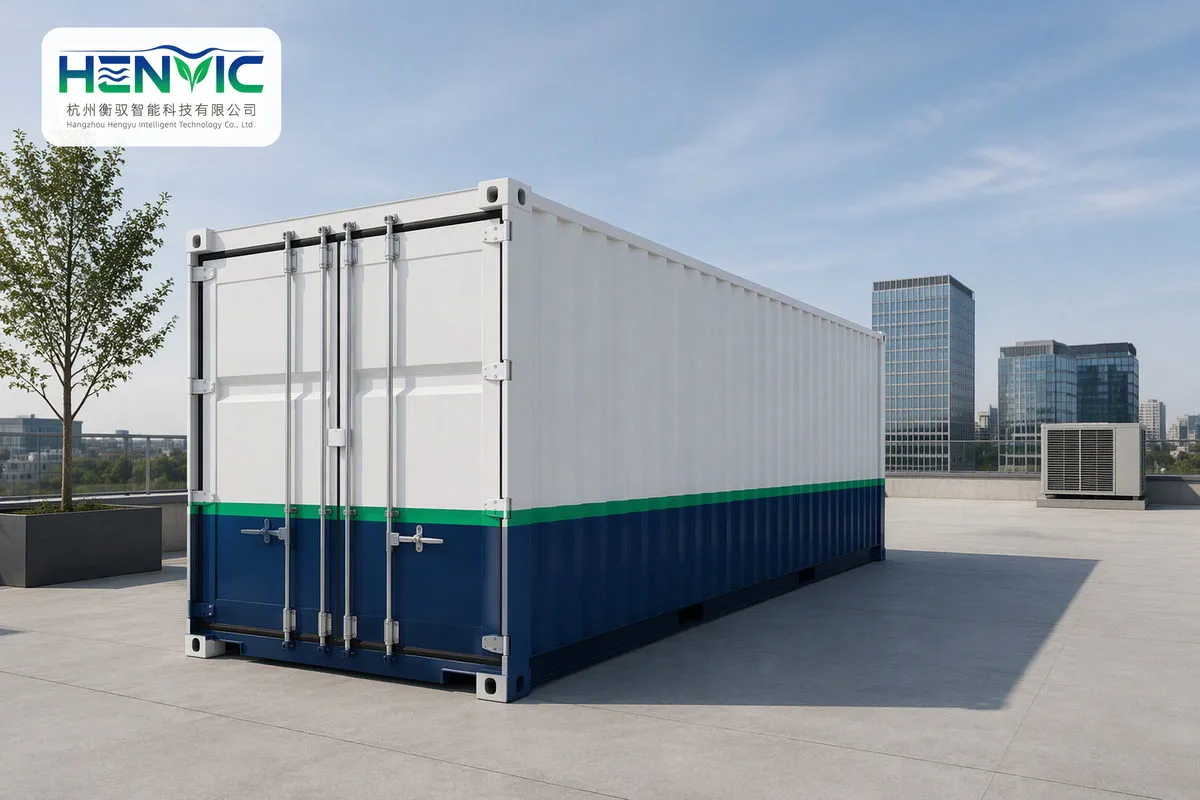
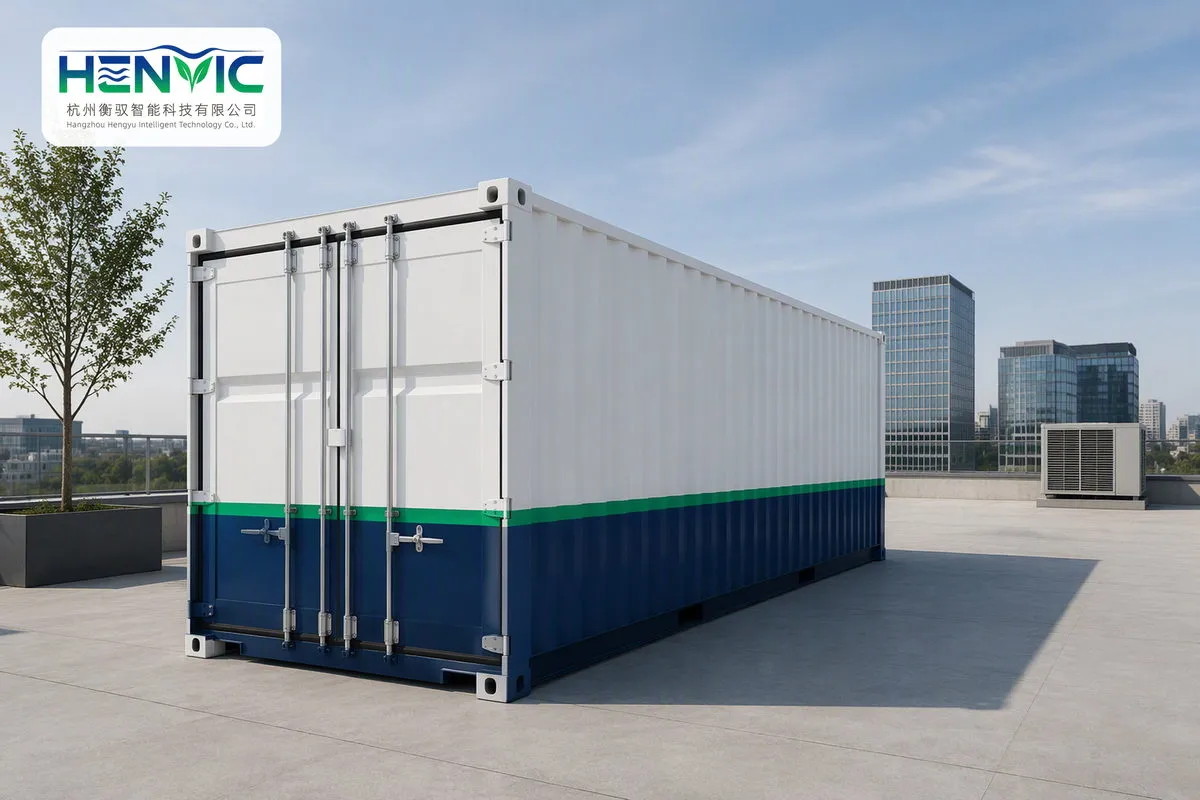
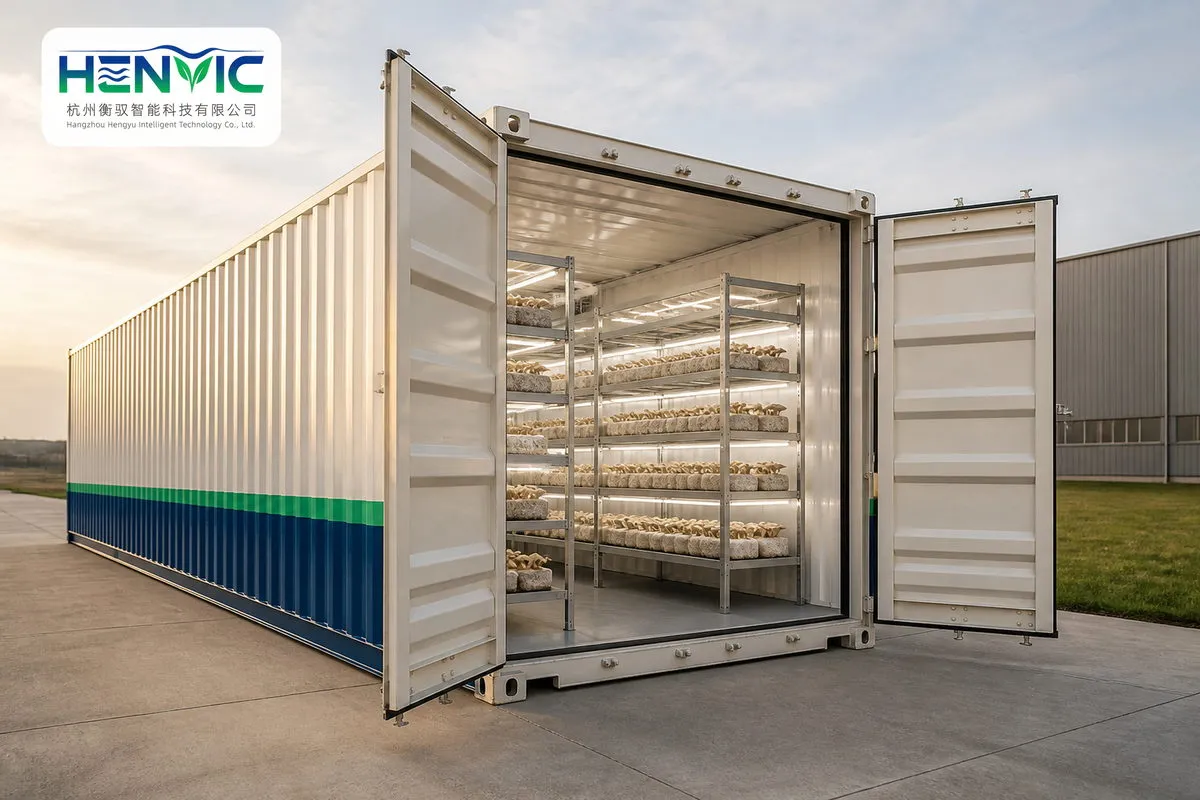
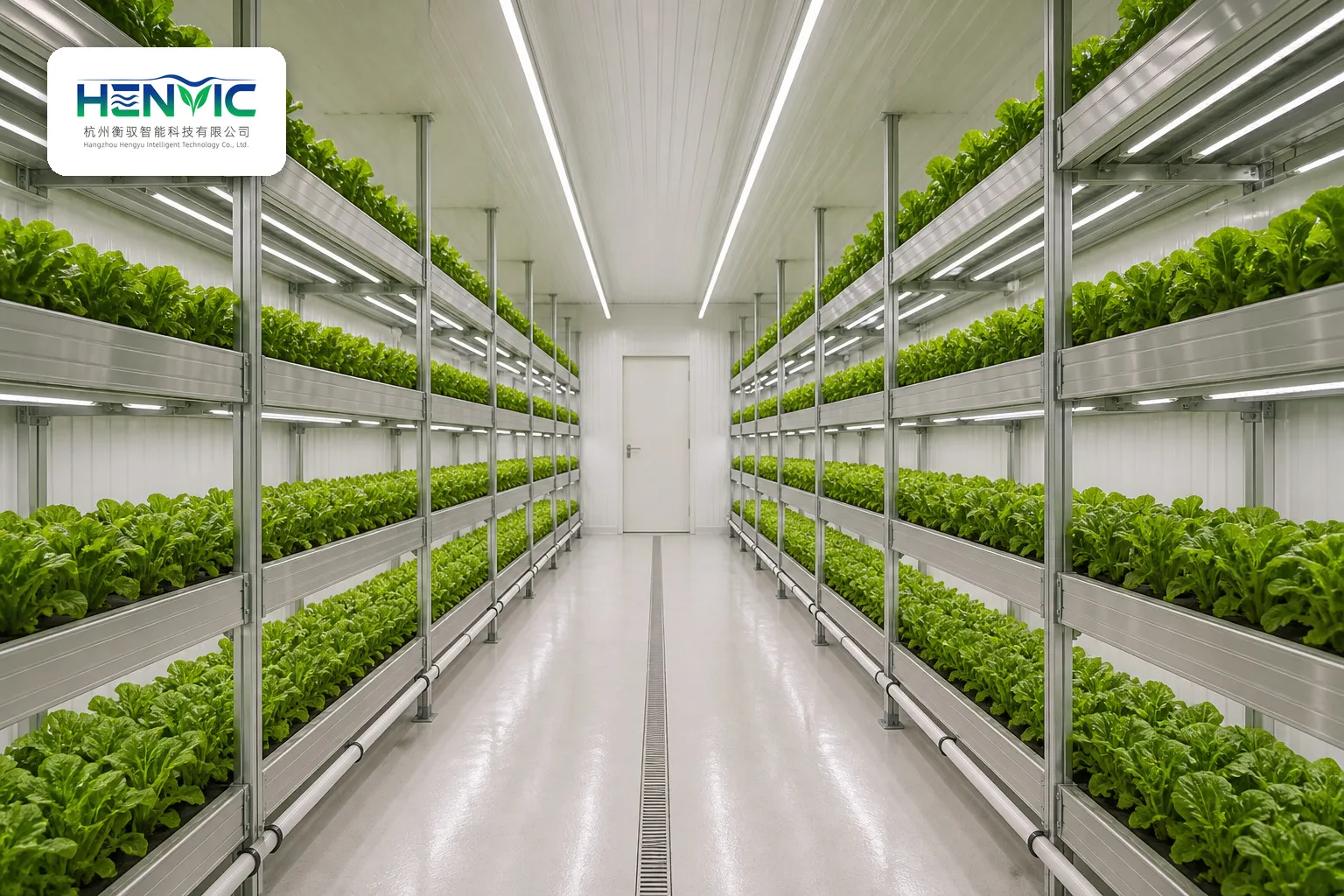
A vegetable cultivation container, sometimes referred to as a plant factory container or modular smart farm, is a standalone, enclosed, and highly instrumented facility designed for growing vegetables. Unlike a greenhouse, which relies heavily on natural sunlight and ambient weather, a cultivation container is completely independent of the external environment. By leveraging IoT (Internet of Things) technology, multi-tier shelving, and artificial environmental controls, these containers allow for continuous, predictable, and high-yield production throughout the year, regardless of season, climate, or geographic location.
II. Core Technologies Driving the Industry
The success and efficiency of vegetable cultivation containers rely heavily on the integration of several cutting-edge technologies:
1. LED Vertical Lighting Systems
Light is the engine of plant growth. Unlike traditional agriculture that depends on the sun, cultivation containers utilize advanced LED (Light Emitting Diode) lighting.
- Spectrum Customization: Modern LEDs can be tuned to specific wavelengths (such as red and blue light) to optimize photosynthesis and alter plant morphology (e.g., making leafy greens more tender and crisp).
- Energy Efficiency: LEDs generate very little radiant heat, allowing them to be placed mere inches above the plants. This makes multi-tier vertical farming possible without burning the foliage, maximizing spatial efficiency.
2. Environmental Control and IoT Integration
To mimic the perfect growing season indoors, cultivation containers rely on highly automated systems:
- Climate Control: Heating, ventilation, and air conditioning (HVAC) systems maintain optimal temperature and humidity levels.
- Air Filtration: Advanced HEPA filtration systems keep dust, pests, and airborne pathogens out, allowing for pesticide-free cultivation.
- IoT Monitoring: Sensors continuously track temperature, humidity, CO₂ concentration, and water pH. Farmers can monitor, adjust, and analyze data remotely via smartphones or computers.
3. Soil-less Cultivation Systems
Traditional soil is rarely used in these containers due to the risk of pests, pathogens, and soil degradation. Instead, two primary soil-less methods are employed:
- Hydroponics: Plants are grown in nutrient-rich water. It is highly efficient for leafy greens like lettuce, basil, and spinach.
- Aeroponics/Aquaponics: Aeroponics mist the roots with a nutrient solution, using less water than hydroponics. Aquaponics integrates fish farming, where fish waste provides the organic nutrients for the vegetables.
III. The Value Proposition: Why the Industry is Booming
The rapid adoption of vegetable cultivation containers is driven by several compelling advantages:
1. High Yield in a Small Footprint
By utilizing vertical multi-tier racks and eliminating the need for wide plant spacing, cultivation containers can produce yields hundreds of times greater per square meter compared to traditional open-field farming. Indoor farming can achieve a yield that is 10 to 100 times higher per square foot than conventional farming.
2. Uncompromised Food Safety
Because the containers are sealed and isolated from the outside environment, the risk of contamination from heavy metals in soil, industrial pollutants, or pesticide residues is virtually eliminated. Furthermore, the strict control over the environment means farmers can produce safe, clean vegetables free from pesticides and insects.
3. Drastic Water Savings
Modern closed-loop irrigation systems minimize water loss through evaporation. Recirculating hydroponic systems can use up to 90% less water compared to traditional open-field irrigation.
4. Supply Chain Resilience and Traceability
Plant factories can often be situated right next to urban centers, hypermarkets, or restaurants. This drastically shortens the supply chain, ensuring maximum freshness and reducing carbon emissions from long-haul transportation. Additionally, every batch of vegetable grown in a controlled container can be accurately tracked from seed to harvest.
IV. Market Applications and Target Crops
Different types of vegetables adapt to container cultivation differently. The current market is dominated by specific crops that meet the economic viability of indoor farming:
- Leafy Greens and Herbs: Lettuce, kale, arugula, basil, and chives are the undisputed kings of this industry. They have short growth cycles (often 20-30 days), grow well under artificial light, and fetch high retail prices.
- Microgreens and Sprouts: Highly profitable, ultra-fast-growing crops used in high-end culinary and health food sectors.
- Root Vegetables: Specialized, high-tech containers are now being used to grow miniature vegetables like mini carrots, radishes, and edible flowers, which require specific light and spatial parameters.
- Edible Flowers and Specialty Produce: High-value, short-shelf-life products that command premium prices in niche markets.
V. Challenges and Limitations
Despite the immense potential, the vegetable cultivation container industry is still navigating some significant hurdles:
1. High Capital and Operational Costs
The initial investment for a smart container is substantial due to the cost of LED lighting, HVAC systems, and automation equipment. Moreover, energy consumption for lighting and climate control can significantly impact the operational cost and profitability.
2. Crop Limitations
While leafy greens are highly profitable, growing large, heavy, or high-calorie crops like wheat, corn, potatoes, or tomatoes indoors is currently economically unviable. The energy required to simulate the sun's energy for these crops exceeds the financial return.
3. Market Competition and Technological Homogeneity
Many companies currently offer similar solutions, leading to intense price competition. The key to standing out depends on lowering energy costs and refining intelligent algorithms to make the systems more efficient.
VI. Future Outlook and Trends
The vegetable cultivation container industry is poised for transformative growth. Future trends include:
- AI and Big Data: Artificial intelligence will take over routine management, using machine learning to predict crop diseases, optimize lighting schedules in real-time, and further reduce human labor.
- Energy Efficiency Breakthroughs: Research into next-generation solar panels, highly efficient photovoltaic glass, and dynamic light-adjusting technologies will help offset the heavy energy demands of indoor farming.
- Integration with Food Service: We will see an increase in micro-containers placed directly within supermarkets, schools, and restaurants, allowing consumers to harvest fresh produce right before consumption.
Conclusion
Vegetable cultivation containers mark a profound shift in how humanity produces food. By turning the production of fresh vegetables into a highly controlled, tech-driven manufacturing process, this industry offers a sustainable, resilient, and highly efficient pathway to secure our future food supply. While facing economic and technical challenges today, continuous innovation in lighting, automation, and energy management will undoubtedly turn these modern agricultural modules into a staple of global food infrastructure.