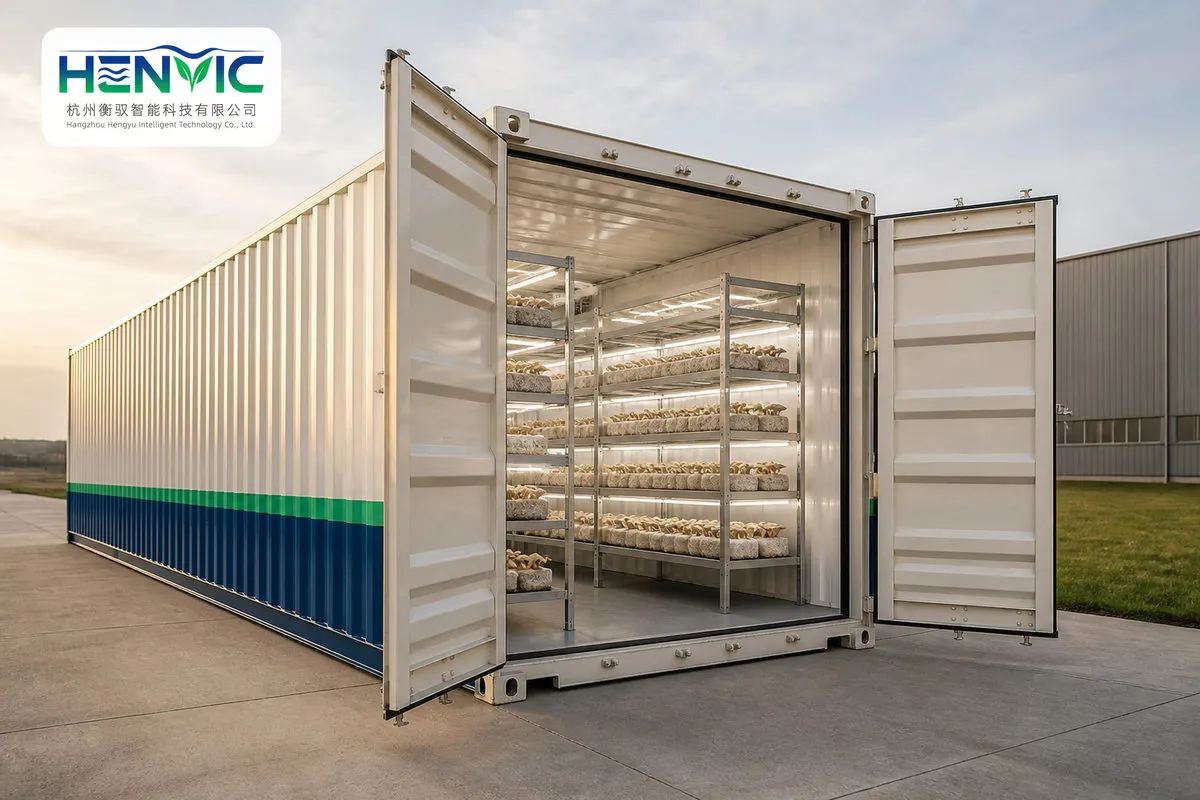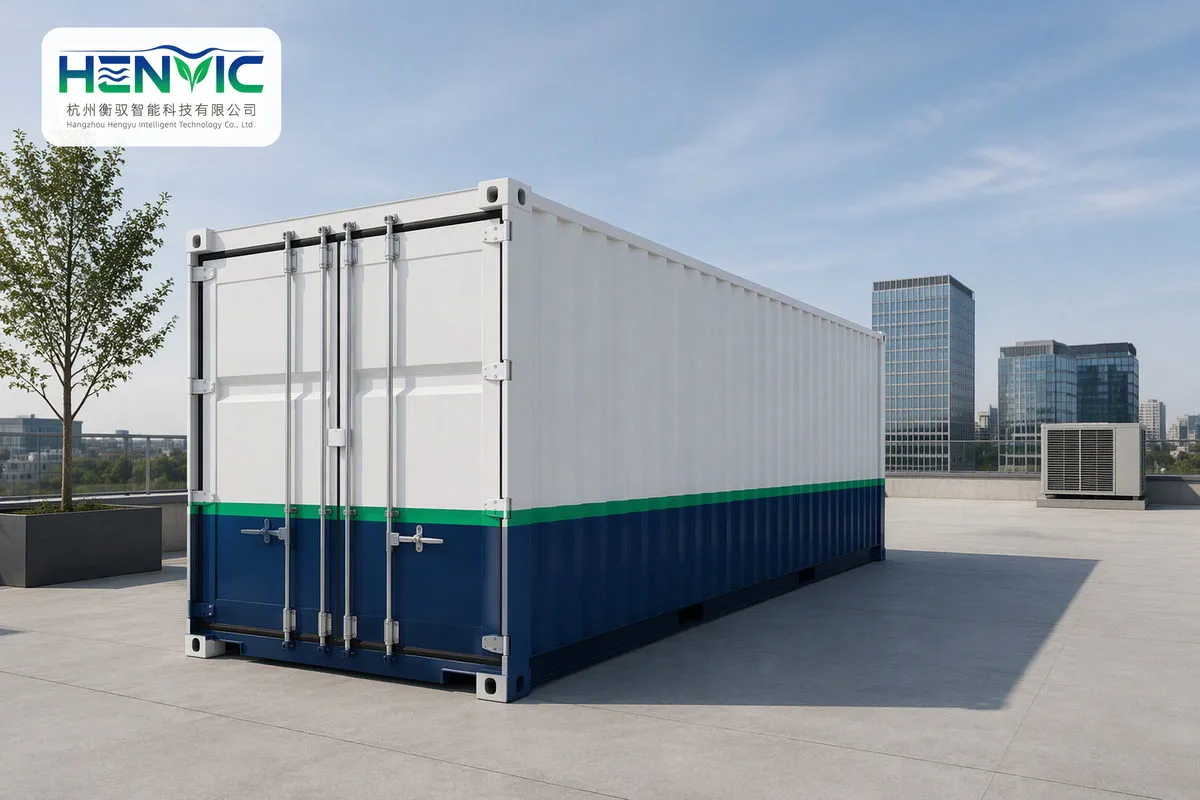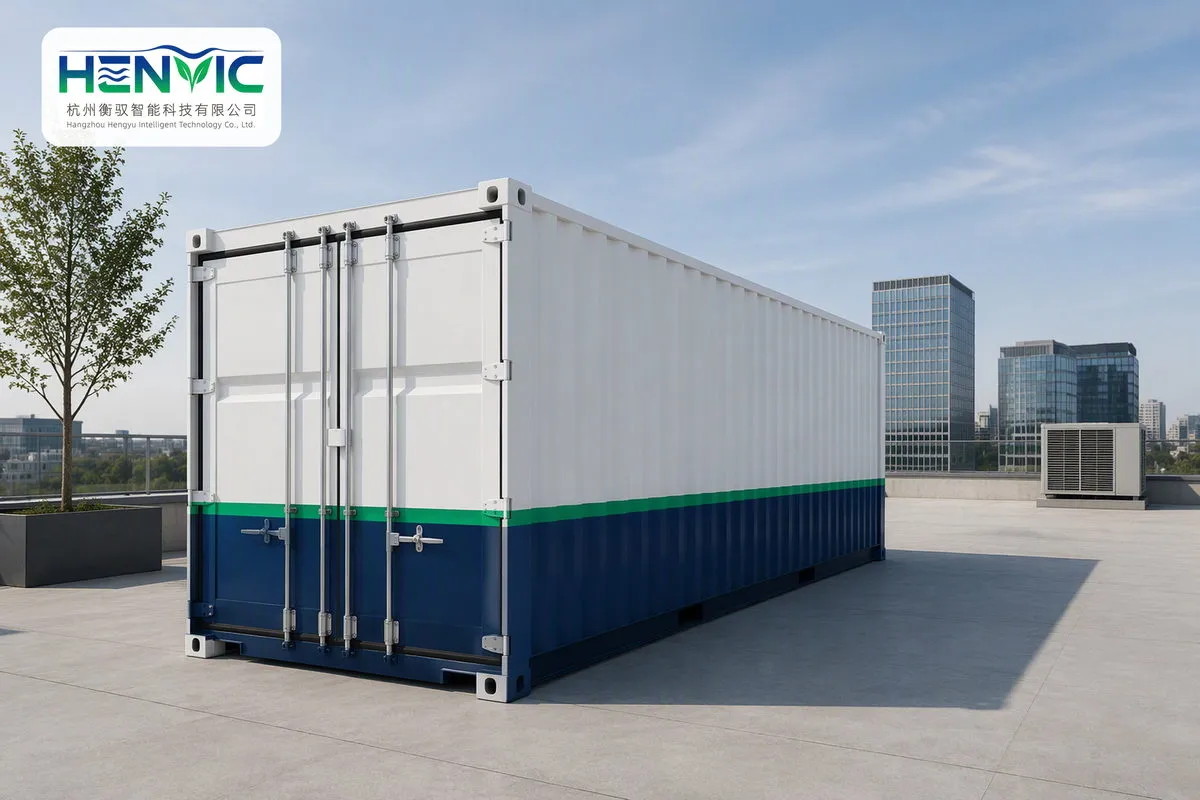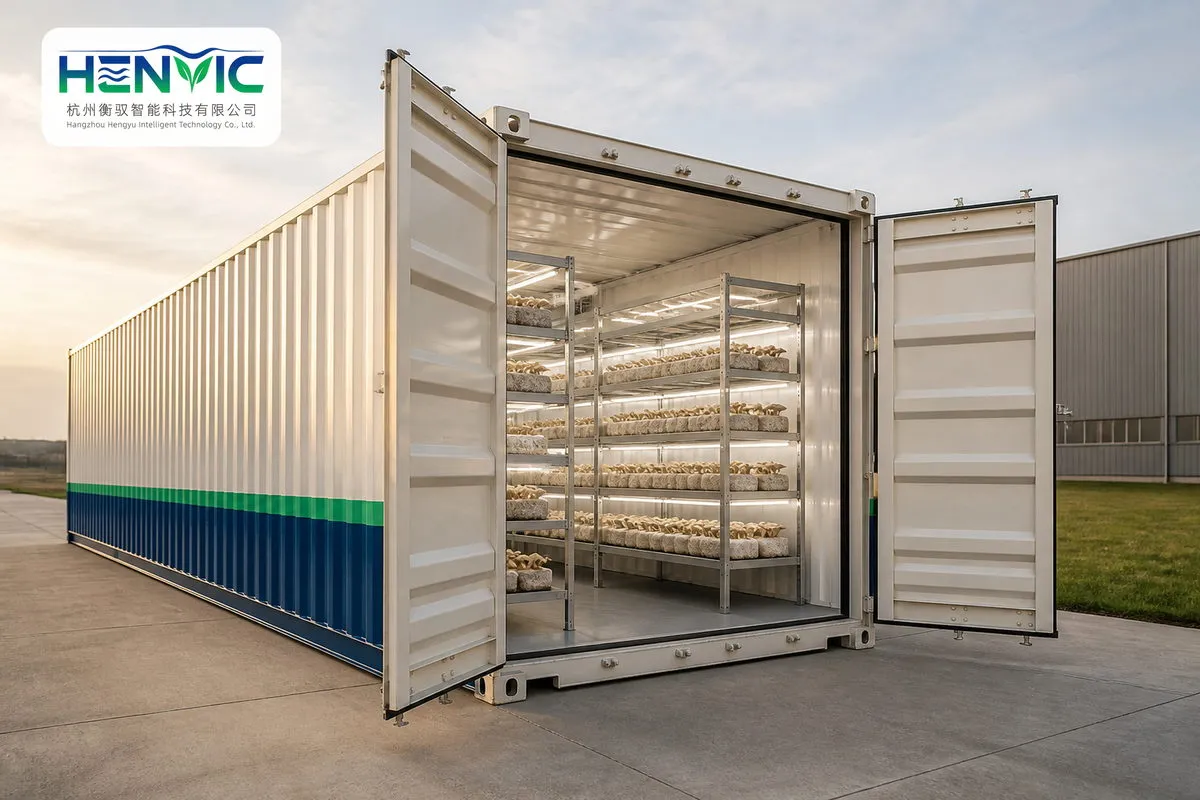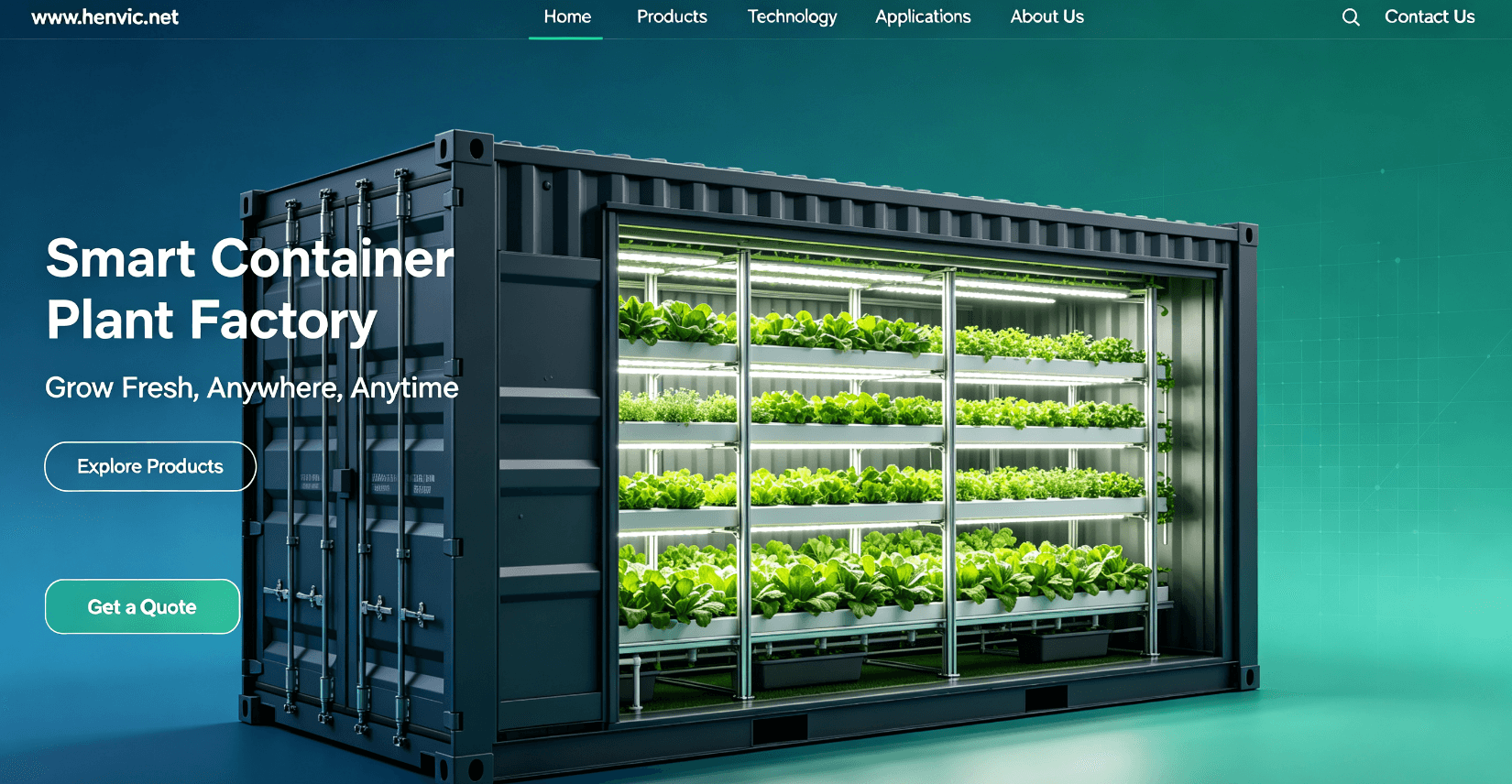
Morchella, also known as morel, is a highly prized edible and medicinal mushroom valued for its unique flavor, rich nutritional content, and high market price. Due to its complex growth requirements and sensitivity to environmental conditions, large-scale cultivation of Morchella has long been a challenge. In recent years, container-based cultivation technology has emerged as a breakthrough solution for overseas production, enabling year-round, controlled, and efficient cultivation of this premium mushroom. This technology combines advanced environmental control systems, modern biotechnology, and efficient operational management to meet the specific growth needs of Morchella.
1. Core Technology and Components
Container-based Morchella cultivation relies on a fully controlled microclimate system integrated within standard shipping containers or customized cultivation units. The core components include:
Environmental Control System: This is the most critical part of the technology. The system precisely regulates temperature, humidity, light intensity, and carbon dioxide (CO₂) concentration to create an optimal environment for Morchella growth. For Morchella, the ideal temperature range is 10–18°C, humidity should be maintained at 70%–85%, light intensity at 500–1000 lux with a 12-hour light/dark cycle, and CO₂ concentration should be kept low to promote the formation and development of fruiting bodies. Automated sensors and controllers ensure real-time monitoring and adjustment, minimizing human error and maintaining stable conditions.
Air Filtration and Sterilization System: To prevent contamination by bacteria, molds, and pests, the container is equipped with high-efficiency particulate air (HEPA) filters and ultraviolet (UV) sterilization devices. These systems ensure that the air inside the container is clean and free of pathogens, creating a sterile cultivation environment that significantly reduces the risk of crop loss.
Substrate and Inoculation System: Morchella requires a nutrient-rich and well-structured substrate. A common substrate formula includes organic materials such as sawdust, straw, and supplemented with nutrients like nitrogen sources and minerals. The substrate is thoroughly sterilized before inoculation to eliminate any potential contaminants. High-quality spawn is then introduced under aseptic conditions to ensure healthy mycelial colonization.
Data Management and Intelligent Control: Modern container-based cultivation adopts intelligent data management platforms that collect real-time information from various sensors. These data are analyzed to optimize cultivation parameters, track growth progress, and predict potential issues. Operators can access this information remotely via computers or mobile devices, allowing for efficient management and timely interventions.
2. Operational Process
The cultivation process in a container follows a standardized workflow:
- Container Preparation: The container is cleaned, equipped with all necessary systems, and sterilized to create a suitable environment for cultivation.
- Substrate Preparation and Inoculation: The prepared substrate is loaded into cultivation racks or bags, sterilized, and then inoculated with high-quality Morchella spawn under aseptic conditions.
- Incubation: After inoculation, the container is kept in a dark, temperature-controlled environment to promote mycelial growth and reduce contamination.
- Fruiting and Harvesting: When the mycelium has fully colonized the substrate, the environmental parameters are adjusted to induce fruiting. The mushroom fruiting bodies grow and are harvested at the appropriate stage of maturity, usually when the cap is fully formed but the edges are still attached to the stem.
- Post-Harvest Processing: Harvested Morchella is processed promptly to maintain quality, including cleaning, sorting, drying, or freezing to preserve its flavor and nutritional value.
3. Advantages of Container-Based Cultivation for Overseas Markets
- Year-Round Production: Unlike traditional outdoor cultivation, which is limited by seasons, containers enable continuous production regardless of external weather conditions, ensuring a stable supply to the market.
- High Space Efficiency: Containers can be stacked vertically, maximizing land use. This is particularly beneficial in regions where land is scarce or expensive.
- Low Contamination Risk: The controlled and sterile environment minimizes exposure to contaminants, reducing the need for pesticides and ensuring product safety.
- Relocatable and Scalable: Container units are portable, allowing producers to relocate operations as needed. Modular designs also enable easy scaling up or down based on market demand.
- Reduced Labor and Operational Costs: Automation reduces manual labor, while precise control of environmental parameters reduces waste and maximizes resource utilization, leading to lower overall production costs.
4. Future Development
As the global demand for premium mushrooms continues to grow, container-based Morchella cultivation technology is expected to evolve further. Future innovations may include enhanced automation, integration with renewable energy sources (e.g., solar panels) to reduce operational costs, and advancements in substrate formulation and spawn quality to further improve yield and quality. Additionally, continuous research on Morchella biology will help refine cultivation techniques, making this technology more accessible and sustainable for producers worldwide.
In conclusion, container-based Morchella cultivation technology represents a significant advancement in the cultivation of this valuable mushroom. By providing precise environmental control, efficient resource use, and consistent product quality, it offers a viable and sustainable solution for meeting the growing global demand for Morchella, especially in overseas markets where environmental stability and high-quality produce are paramount.